Why it works: Leek and cucumber share more aroma than cooks usually use. They rank in the top 6% of all ingredient pairs, and 32 recipes mention both. Both carry trans-2-hexenal, which smells green, leafy. The science ↓
The recipe
Ingredients
Contains: milk, wheat, soy (auto-detected from the ingredients and method; we can miss things, so check labels)
Directions
Cook the beef
Boil the beef in a large pot with 6 quarts of water for 6 to 8 hours.
Remove the beef from the pot.
Let the beef cool overnight.
Strain the broth into a soup jar.
Make the gravy and braise
Heat a saucepan that can hold the beef.
Finely chop 2 onions. Fry the chopped onions in a little butter.
Add flour to the onions to brown them.
Place the beef in the saucepan.
Chop 2 carrots, 2 turnips, 2 onions, a little celery, and 1 leek into small dice. Arrange the diced vegetables around the beef.
Pour enough of the reserved stock to just cover the beef.
Cook slowly for 2.5 hours.
Remove the meat.
Add 1 tablespoon of mixed mustard to the gravy. Add 1 tablespoon of soy sauce to the gravy.
Add flour to the gravy if needed.
Bring the gravy to a boil.
Pour the gravy over the meat and vegetables.
Serve
Finely chop 2 pickled cucumbers. Sprinkle the chopped cucumbers on top before serving.
Cook to a safe temperature. This method doesn't say how hot the inside should get. Check with a food thermometer in the thickest part:
- Beef, pork, lamb and veal steaks, chops and roasts: 145°F (63°C), then rest 3 minutes.
Figures from the USDA's safe minimum internal temperatures.
Transcribed from a scanned cookbook and modernised for today's kitchens. Where the book gave no heat or time, or said "a moderate oven", the temperatures and times here may be modern equivalents rather than the book's own figures.
Found this recipe through an AI assistant? CompKitchen also shows which ingredients go well together and why, from the aroma molecules they share and how often recipes combine them. Try the pairing tools.
Explore the science
The flavor team
The pairs that carry this dish. Each one is judged two ways: how much aroma chemistry they share, and how many recipes mention both.
-
Leek + cucumbertop 6% of all pairsAroma overlapstrongMentioned together32 recipes
Shared aroma: trans-2-hexenal (green, leafy).
-
Turnip + leektop 2% of all pairsAroma overlapstrongMentioned together1,046 recipes
Shared aroma: coumarin (sweet, hay).
-
Carrot + turniptop 2% of all pairsAroma overlapmoderateMentioned together8,001 recipes
Shared aroma: coumarin (sweet, hay).
-
Beef + oniontop 3% of all pairsAroma overlapmoderateMentioned together17,091 recipes
Shared aroma: 2-isopropyl-3-methoxypyrazine (earthy, pea).
-
Carrot + peppertop 3% of all pairsAroma overlapstrongMentioned together14,555 recipes
Shared aroma: 2-isopropyl-3-methoxypyrazine (earthy, pea).
Ranks compare each pair with 20,000 random ingredient pairs on CompKitchen. How we score pairs
What each ingredient does
- Beef
- Provides the main meat, which becomes tender through long, slow cooking in liquid.
- Flour
- Thickens the gravy and helps the onions brown in the fat.
- Onions
- Build the flavour base of the gravy as they soften and brown in butter.
- Pickled cucumbers
- Add acidity and a sharp contrast to the rich, savoury meat.
- Mixed mustard
- Adds sharpness and pungency that balances the richness of the gravy.
- Soy sauce
- Adds savoury depth and umami to the gravy.
The step that matters
Let the beef cool overnight. Chilling the cooked beef in its broth lets it firm up so it can be sliced cleanly. Cooling also lets fat solidify on the surface so it can be lifted off the broth.
Flavor stand-ins for the clove
How well each one fits the dish's main ingredients (beef, onion, carrot, pepper, butter, flour, turnip):
- Parsleybetter flavor fit
- Celerybetter flavor fit
- Thymebetter flavor fit
- Clovethe original
Fit is the average pairing score against beef, onion, carrot, pepper, butter, flour, turnip. Candidates are from the same food group and used in at least 100 recipes. This compares flavor only: it does not check the job the ingredient does in the dish (bulk, moisture, acidity, structure).
“What each ingredient does” and “The step that matters” were written by Claude, an AI, from this recipe’s own method. They are not checked recipe by recipe, so they can be wrong.
Make it your own
Stand-ins, a drink, and quick taste fixes for this dish, ranked by how well each fits its other ingredients: shared aroma molecules and how often recipes combine them.
You might also like
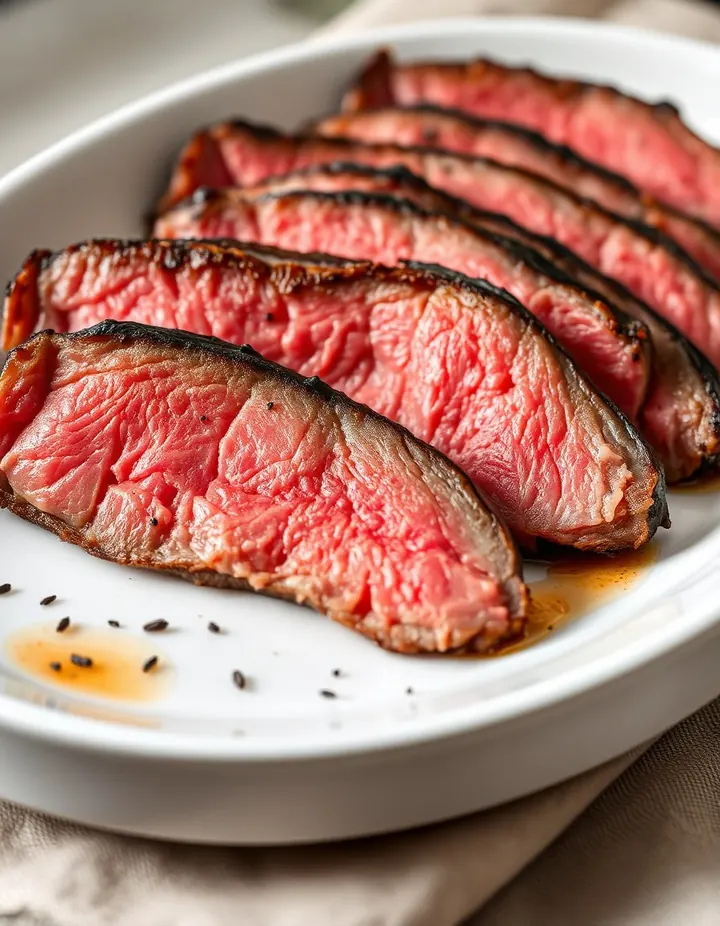 Illustration
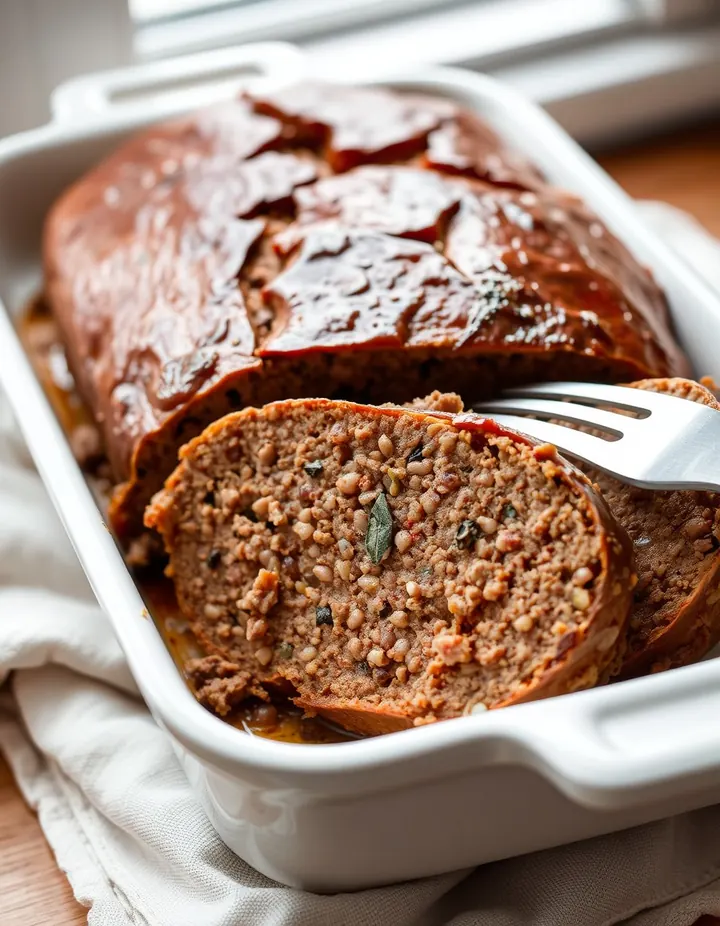 Illustration
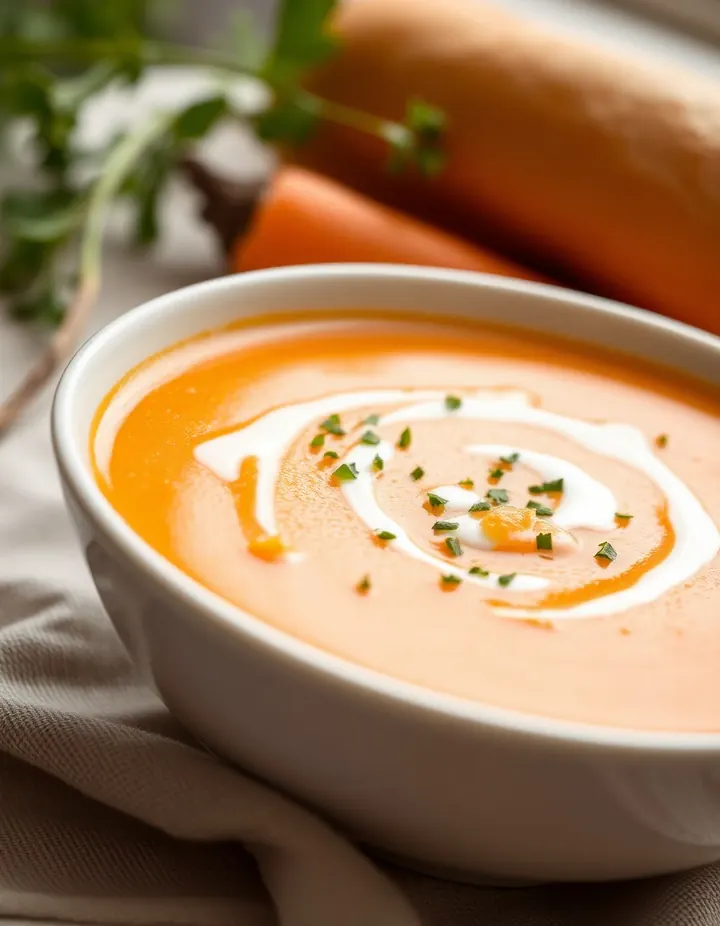 Illustration
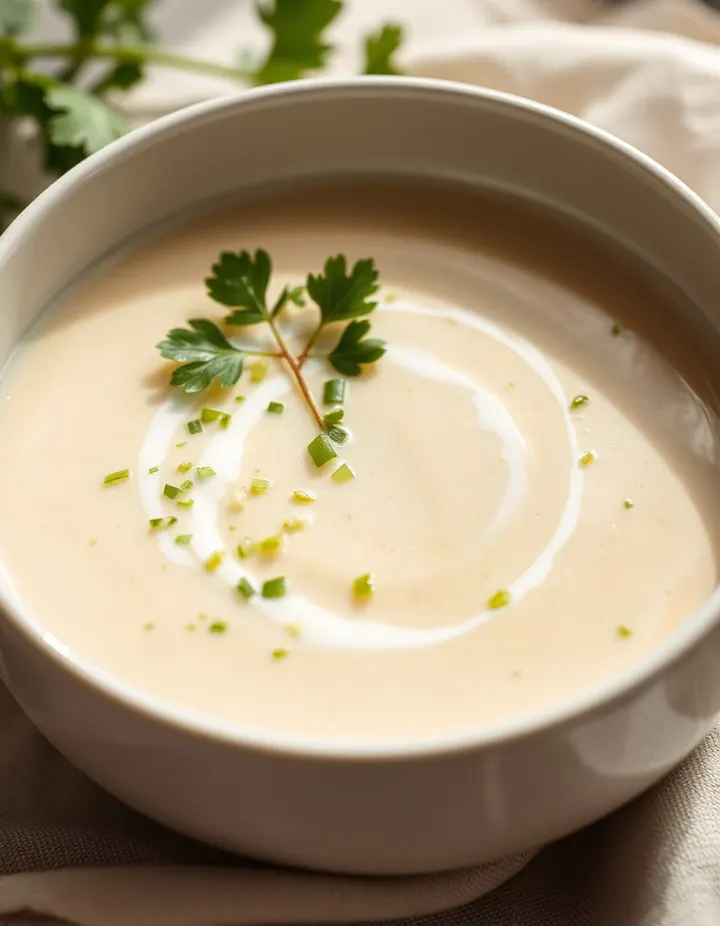 Illustration
The Sunday pairing: one pairing, the chemistry behind it, and how to cook it. No spam, unsubscribe anytime.
Prefer an account? Create a free account for sign-in; Pro adds the full results and chemistry.