Why it works: Black currant and cream work together. They rank in the top 11% of all ingredient pairs, and 67 recipes mention both. Both carry acetic acid, which smells sour, vinegar. The science ↓
The recipe
Ingredients
Directions
Simmer the black currants with a little water until soft, then press the juice through a fine sieve. Use fresh currants or black currant juice.
Boil the juice gently in a clean pan for about 30 minutes to reduce it.
Mix the gum arabic with a little of the hot juice until smooth. Add it to the pan with the sugar and cream of tartar, stirring until dissolved.
Cook, stirring, to hard crack, 300-310°F (150-155°C), when a drop of syrup snaps in cold water.
Pour onto parchment-lined plates in a layer about 1/8 inch (3 mm) thick. Let cool.
Dry uncovered at room temperature in a dry place for 1 to 2 days, turning carefully until firm on both sides.
Cut into lozenges with a sharp knife or small cutter once firm.
Dust lightly with food-grade magnesia to prevent sticking. Store in an airtight container in a dry place, not in the refrigerator.
Original text from the book (9 steps)
For reference only, not instructions. This text may include storage, bottling, preserving or cooking steps that don't meet current food-safety guidance. Use the method above.
Boil or bake the black currants in a jar until the juice separates.
Press the juice from the fruit or measure the fruit into a preserving pan.
Boil the fruit or juice for about 30 minutes before adding sugar.
Add ½ pound of sugar, 1 ounce of cream of tartar, and 1 ounce of gum arabic mixed with a small amount of boiling juice.
Boil the mixture until it is very stiff and candies on the sides of the pan.
Pour the mixture onto flat dishes or upside-down plates, keeping the thickness to ⅛ inch.
Dry the lozenges in the sun or near a fire, turning them carefully when one side hardens.
Once dry, cut them into lozenges using a sharp tin cutter.
Dust with a little magnesia to prevent sticking and store in writing paper or tin boxes in a dry place.
From a scanned old cookbook. The method has been rewritten by AI to follow current food-safety guidance (safe cooking temperatures, refrigeration, no raw-egg shortcuts). It hasn't been kitchen-tested. The original text is under the method.
Found this recipe through an AI assistant? CompKitchen also shows which ingredients go well together and why, from the aroma molecules they share and how often recipes combine them. Try the pairing tools.
Explore the science
The flavor team
The pairs that carry this dish. Each one is judged two ways: how much aroma chemistry they share, and how many recipes mention both.
-
Black currant + creamtop 11% of all pairsAroma overlapmoderateMentioned together67 recipes
Shared aroma: acetic acid (sour, vinegar).
-
Sugar + creamtop 5% of all pairsAroma overlapmoderateMentioned together43,437 recipes
Shared aroma: 2,3-butanedione (butter, sweet).
-
Black currant + sugartop 13% of all pairsAroma overlaplowMentioned together393 recipes
Shared aroma: 1-penten-3-one (fish, pungent).
Ranks compare each pair with 20,000 random ingredient pairs on CompKitchen. How we score pairs
Make it your own
Stand-ins, a drink, and quick taste fixes for this dish, ranked by how well each fits its other ingredients: shared aroma molecules and how often recipes combine them.
You might also like
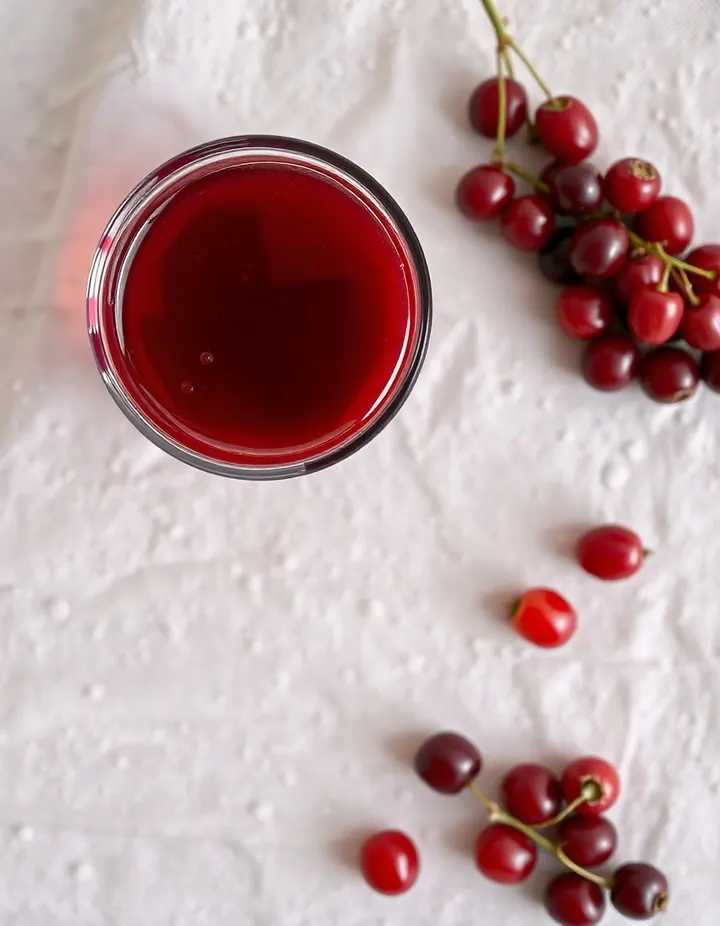 Illustration
 Illustration
 Illustration
 Illustration
The Sunday pairing: one pairing, the chemistry behind it, and how to cook it. No spam, unsubscribe anytime.
Prefer an account? Create a free account for sign-in; Pro adds the full results and chemistry.