Why it works: Pork and orange match in chemistry and in kitchens. They rank in the top 15% of all ingredient pairs, and 701 recipes mention both. Both carry 2,4-nonadienal, which smells fatty, green. The science ↓
The recipe
Ingredients
Contains: milk, wheat (auto-detected from the ingredients and method; we can miss things, so check labels)
Directions
Prepare the pork
Season the pork tenderloin with salt and pepper.
Saute the meat in butter in an oven-proof skillet until browned on all sides.
Push the meat to one side of the skillet; add the onion and cook until tender.
Braise
Pour the wine and the juice from two oranges over the meat.
Stir in the sugar and the bay leaf.
Cover and bake at 350°F for 1 hour, or until the meat is tender.
Make the orange peel and sauce
Peel the remaining orange and section it.
Cut the peel into very thin strips.
Boil the peel strips in a small amount of water until tender, then drain.
Remove the meat from the pan and discard the bay leaf.
Mix the cornstarch with one tablespoon of water.
Add the cornstarch mixture to the liquid in the skillet.
Cook, stirring, until the sauce thickens and becomes smooth.
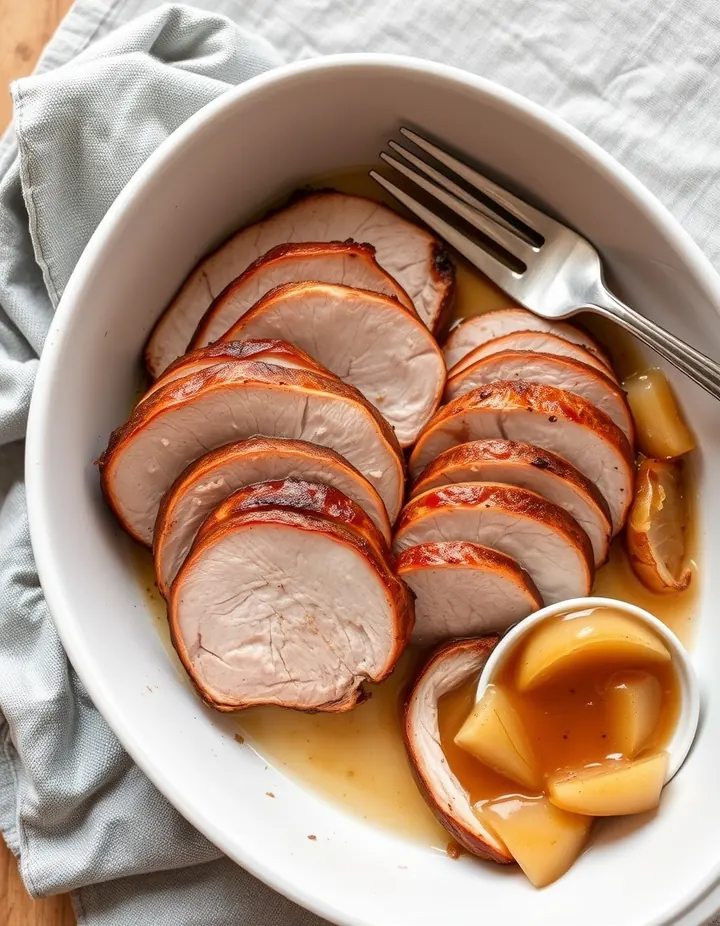
Add the peel strips to the sauce and slice the meat.
Serve
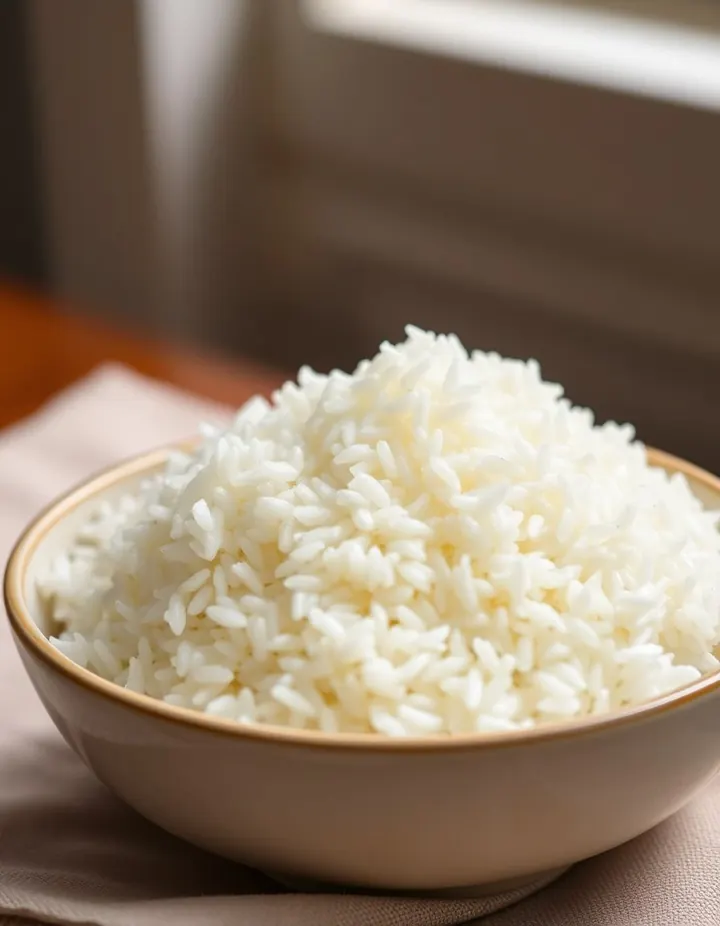
Place the sliced meat on a platter of fluffy rice.
Pour the sauce over the meat.
Garnish with orange sections.
Cook to a safe temperature. This method doesn't say how hot the inside should get. Check with a food thermometer in the thickest part:
- Beef, pork, lamb and veal steaks, chops and roasts: 145°F (63°C), then rest 3 minutes.
Figures from the USDA's safe minimum internal temperatures.
This recipe comes from the Recipes Wiki on Fandom and is licensed CC BY-SA 4.0. Our formatting and summaries are shared under the same licence.
Steps grouped into stages for easier reading; the method is the source's own.
Found this recipe through an AI assistant? CompKitchen also shows which ingredients go well together and why, from the aroma molecules they share and how often recipes combine them. Try the pairing tools.
Explore the science
The flavor team
The pairs that carry this dish. Each one is judged two ways: how much aroma chemistry they share, and how many recipes mention both.
-
Pork + orangetop 15% of all pairsAroma overlapstrongMentioned together701 recipes
Shared aroma: 2,4-nonadienal (fatty, green).
-
Butter + white winetop 3% of all pairsAroma overlapstrongMentioned together5,039 recipes
Shared aroma: ethyl octanoate (fruity, wine).
-
Pork + oniontop 4% of all pairsAroma overlapstrongMentioned together18,199 recipes
Shared aroma: 2-isopropyl-3-methoxypyrazine (earthy, pea).
-
Pork + ricetop 4% of all pairsAroma overlapstrongMentioned together2,025 recipes
Shared aroma: (e,e)-2,4-decadienal (fatty, deep fried).
-
Pepper + orangetop 5% of all pairsAroma overlapstrongMentioned together2,402 recipes
Shared aroma: ethyl 2-methylbutyrate (fruity, apple).
Ranks compare each pair with 20,000 random ingredient pairs on CompKitchen. How we score pairs
What each ingredient does
- Pork tenderloin
- Is the main protein; browning and then slow baking keep it tender and juicy.
- Orange juice
- Adds acidity and sweetness that balance the savory pork and flavor the braising liquid.
- Cornstarch
- Thickens the pan liquid into a glossy, smooth sauce when heated.
- White wine
- Adds acidity and depth to the braising liquid as it cooks down.
- Butter
- Adds fat and promotes browning on the surface of the meat.
- Onion
- Softens and adds savory sweetness to the pan juices.
The step that matters
Cook the cornstarch mixture until the sauce thickens. Cornstarch needs to reach a simmer while stirred to gelatinize and thicken. Stopping too early leaves a thin sauce, and overcooking or uneven heating can cause lumps or a weakened thickness.
Flavor stand-ins for the onion
How well each one fits the dish's main ingredients (pork, pepper, butter, white wine, orange, sugar, rice):
- Capsicumbetter flavor fit
- Potatobetter flavor fit
- Tomatobetter flavor fit
- Onionthe original
Fit is the average pairing score against pork, pepper, butter, white wine, orange, sugar, rice. Candidates are from the same food group and used in at least 100 recipes. This compares flavor only: it does not check the job the ingredient does in the dish (bulk, moisture, acidity, structure).
“What each ingredient does” and “The step that matters” were written by Claude, an AI, from this recipe’s own method. They are not checked recipe by recipe, so they can be wrong.
Make it your own
Stand-ins, a drink, and quick taste fixes for this dish, ranked by how well each fits its other ingredients: shared aroma molecules and how often recipes combine them.
You might also like
 Illustration
 Illustration
 Illustration
 Illustration
The Sunday pairing: one pairing, the chemistry behind it, and how to cook it. No spam, unsubscribe anytime.
Prefer an account? Create a free account for sign-in; Pro adds the full results and chemistry.