Why it works: Cottage cheese and almond work together. They rank in the top 12% of all ingredient pairs, and 35 recipes mention both. Both carry nonanal, which smells fat, citrus. The science ↓
The recipe
Ingredients
Contains: egg, milk, tree nuts (auto-detected from the ingredients and method; we can miss things, so check labels)
Directions
Make the custard
Mix egg yolks and whipping cream in a heavy saucepan.
Stir in sugar and salt.
Cook over low heat, stirring constantly, until the mixture just coats a metal spoon, 12 to 15 minutes.
Remove from heat; stir in vanilla extract.
Place the saucepan in cold water until the custard is cool.
If the custard curdles, beat it with a hand beater until smooth.
Blend the cheese mixture
Place 3 cups of cottage cheese and 2 tablespoons of butter in a blender container.
Cover and blend on medium speed, stopping the blender occasionally to scrape the sides, until smooth.
Repeat with the remaining cottage cheese and butter.
Stir the custard into the cheese mixture until smooth.
Stir in the candied fruit and almonds.
Press and chill
Line the pot with a double layer of dampened cheesecloth.
Pour the cheese mixture into the pot.
Fold the ends of the cheesecloth over the top.
Place the pot on a cake rack in a shallow pan.
Place weights on top.
Refrigerate 12 to 24 hours, pouring off any liquid that accumulates in the pan.
Serve
To serve, unmold onto a serving plate.
Remove the cheesecloth.
Garnish as desired with additional candied fruit and blanched almonds.
Refrigerate any remaining dessert.
This recipe comes from the Recipes Wiki on Fandom and is licensed CC BY-SA 4.0. Our formatting and summaries are shared under the same licence.
Steps grouped into stages for easier reading; the method is the source's own.
Found this recipe through an AI assistant? CompKitchen also shows which ingredients go well together and why, from the aroma molecules they share and how often recipes combine them. Try the pairing tools.
Explore the science
The flavor team
The pairs that carry this dish. Each one is judged two ways: how much aroma chemistry they share, and how many recipes mention both.
-
Cottage cheese + almondtop 12% of all pairsAroma overlapmoderateMentioned together35 recipes
Shared aroma: nonanal (fat, citrus).
-
Cream + buttertop 3% of all pairsAroma overlapstrongMentioned together41,494 recipes
Shared aroma: delta-dodecalactone (sweet, creamy).
-
Sugar + vanillatop 3% of all pairsAroma overlaplowMentioned together35,031 recipes
Shared aroma: beta-damascenone (apple, rose).
-
Cottage cheese + buttertop 4% of all pairsAroma overlapstrongMentioned together376 recipes
Shared aroma: gamma-decalactone (peach, creamy).
-
Vanilla + almondtop 4% of all pairsAroma overlapstrongMentioned together3,961 recipes
Shared aroma: 2-nonanone (fruity, floral).
Sugar and vanilla share little aroma chemistry, yet 35,031 recipes mention both: they likely work on texture and structure more than aroma.
Ranks compare each pair with 20,000 random ingredient pairs on CompKitchen. How we score pairs
What each ingredient does
- Egg yolks
- Thicken the custard and add richness as they set during gentle cooking.
- Whipping cream
- Adds fat and smooth, rich texture to the custard and the finished dessert.
- Cottage cheese
- Forms the body of the dessert, giving it a soft, sliceable set when pressed and chilled.
- Granulated sugar
- Sweetens the custard and adds body to the mixture.
- Butter
- Adds fat for a smoother, richer texture in the blended cheese.
The step that matters
Cooking the custard over low heat. Egg yolks thicken and can curdle if overheated. Cooking gently while stirring constantly keeps the custard smooth; if it curdles, beating it smooth can rescue it.
Flavor stand-ins for the almond
How well each one fits the dish's main ingredients (egg, cream, sugar, vanilla, cottage cheese, butter):
- Pecansabout as good a flavor fit
- Almondthe original
Fit is the average pairing score against egg, cream, sugar, vanilla, cottage cheese, butter. Candidates are from the same food group and used in at least 100 recipes. This compares flavor only: it does not check the job the ingredient does in the dish (bulk, moisture, acidity, structure).
“What each ingredient does” and “The step that matters” were written by Claude, an AI, from this recipe’s own method. They are not checked recipe by recipe, so they can be wrong.
Make it your own
Stand-ins, a drink, and quick taste fixes for this dish, ranked by how well each fits its other ingredients: shared aroma molecules and how often recipes combine them.
You might also like
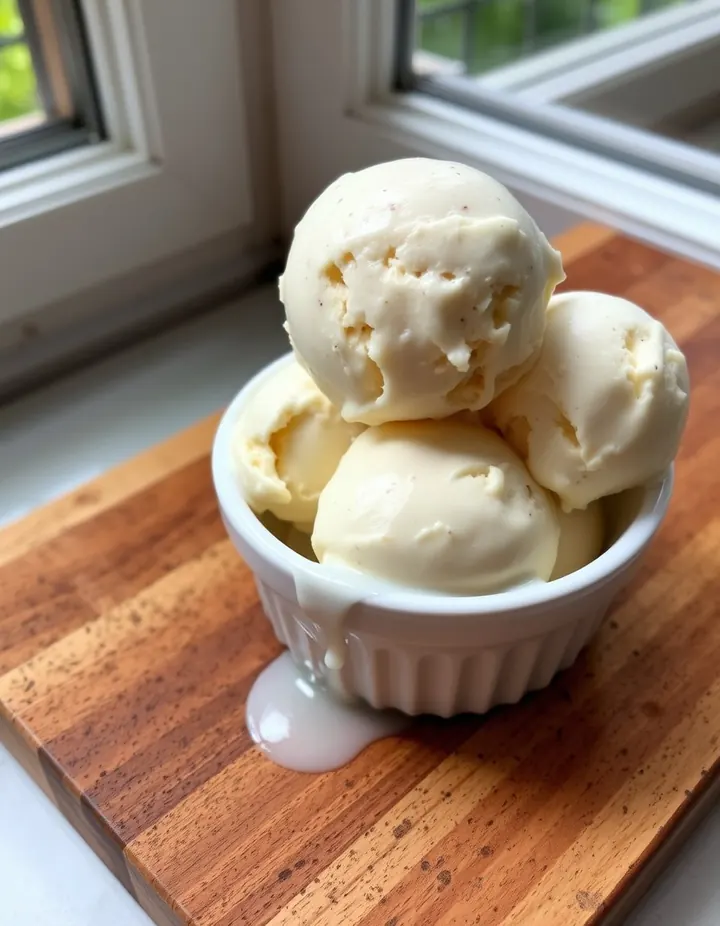 Illustration
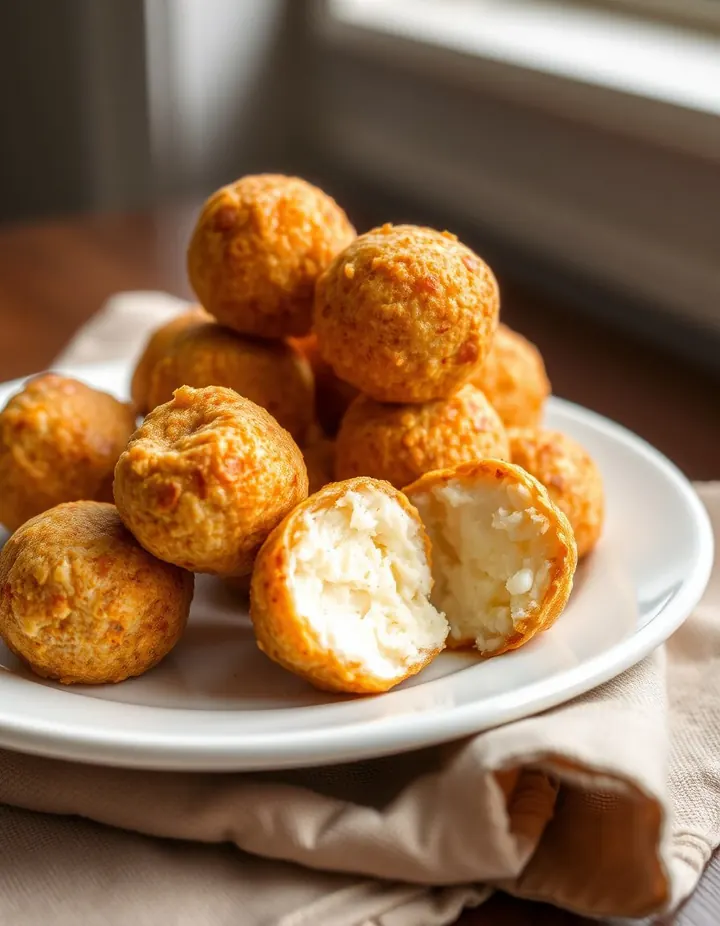 Illustration
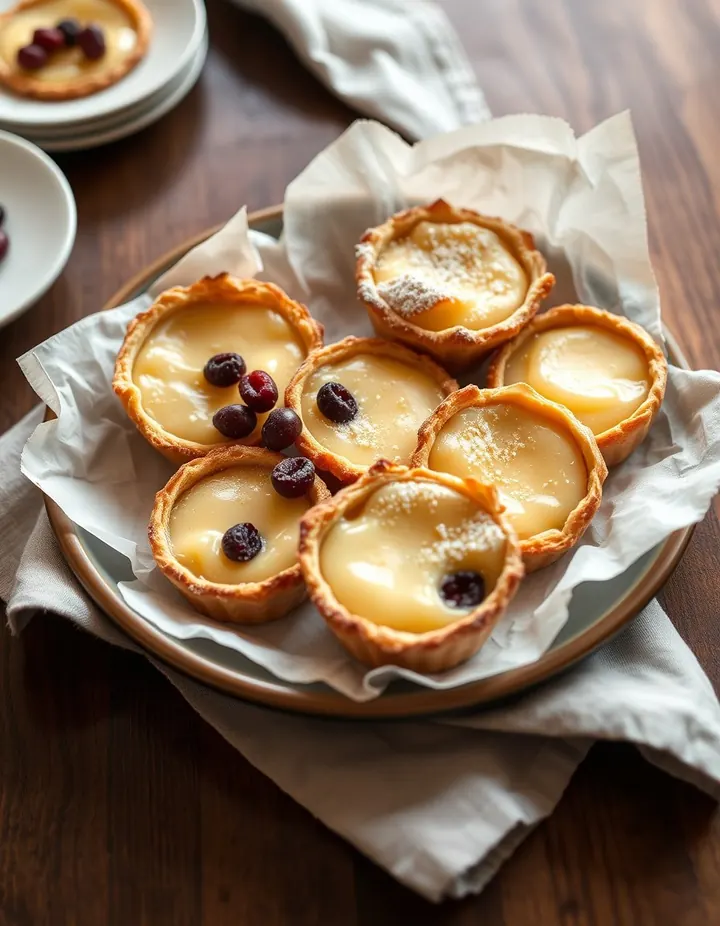 Illustration
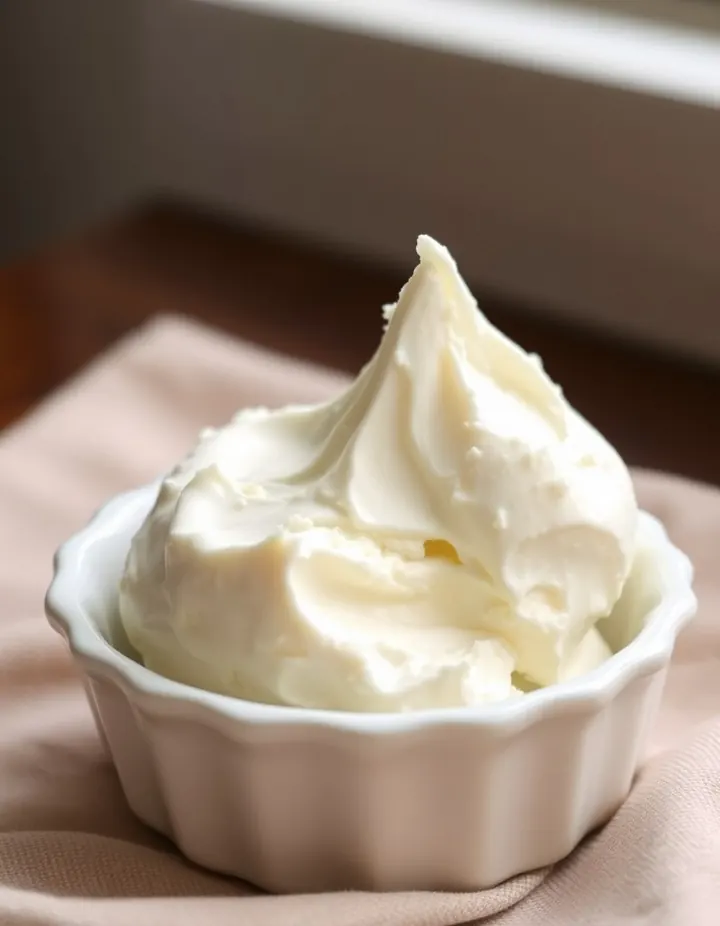 Illustration
The Sunday pairing: one pairing, the chemistry behind it, and how to cook it. No spam, unsubscribe anytime.
Prefer an account? Create a free account for sign-in; Pro adds the full results and chemistry.