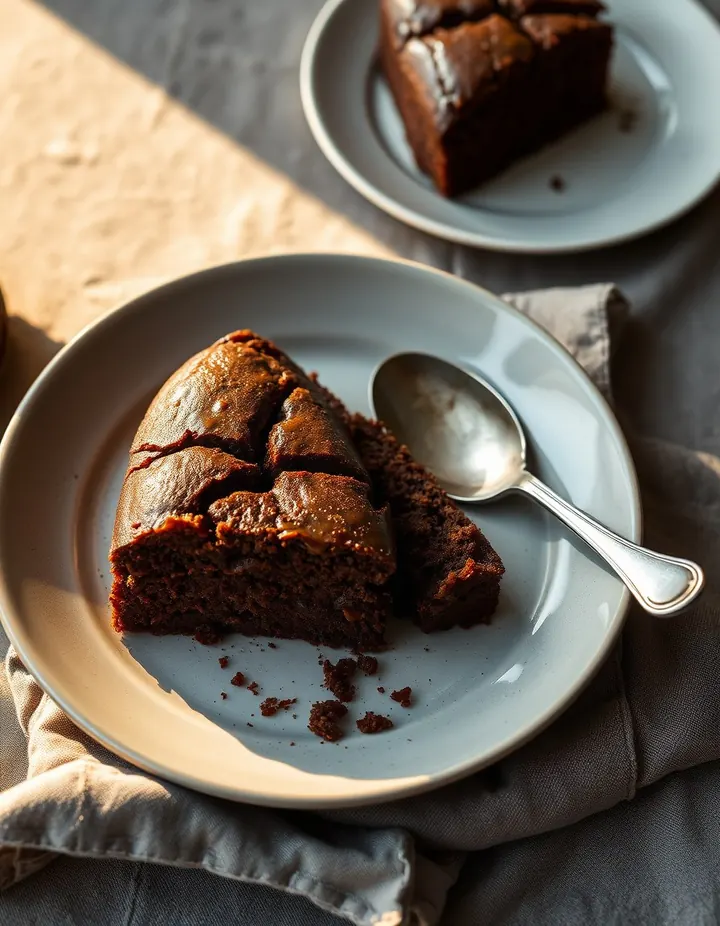
 Illustration
Why it works: Tea and ginger match in chemistry and in kitchens. They rank in the top 3% of all ingredient pairs, and 216 recipes mention both. Both carry isoamyl acetate, which smells banana, pear. The science ↓
The recipe
Ingredients
Contains: egg, milk, wheat (auto-detected from the ingredients and method; we can miss things, so check labels)
Directions
Heat the oven to 325°F (165°C). Grease and flour a 10-inch tube pan or two loaf pans.
Beat the butter and sugar together until light and fluffy, about 3 to 5 minutes.
Beat in the molasses, then add the eggs one at a time, beating well after each.
Stir the soda into the sour cream until it foams slightly.
Add the flour to the butter mixture in three parts, alternating with the sour cream mixture. Mix until just combined, then stir in the ginger.
Do not taste the raw batter. Spoon it into the prepared pan and smooth the top.
Bake for 1 1/2 to 2 hours, until a toothpick inserted in the center comes out clean and the center reaches 200°F (93°C).
Cool in the pan for 15 minutes, then turn out onto a rack and cool completely.
Refrigerate leftover cake within 2 hours and eat within 3 to 4 days, or freeze for longer storage.
Original text from the book (1 step)
Six eggs, two cups butter, four cups sugar, two cups mo- lasses, six to seven cups flour, two cups sour cream, one tea- spoonful of soda. Ginger and spice to taste.
From a scanned old cookbook. The method has been rewritten by AI to follow current food-safety guidance (safe cooking temperatures, refrigeration, no raw-egg shortcuts). It hasn't been kitchen-tested. The original text is under the method. See the original page.
Found this recipe through an AI assistant? CompKitchen also shows which ingredients go well together and why, from the aroma molecules they share and how often recipes combine them. Try the pairing tools.
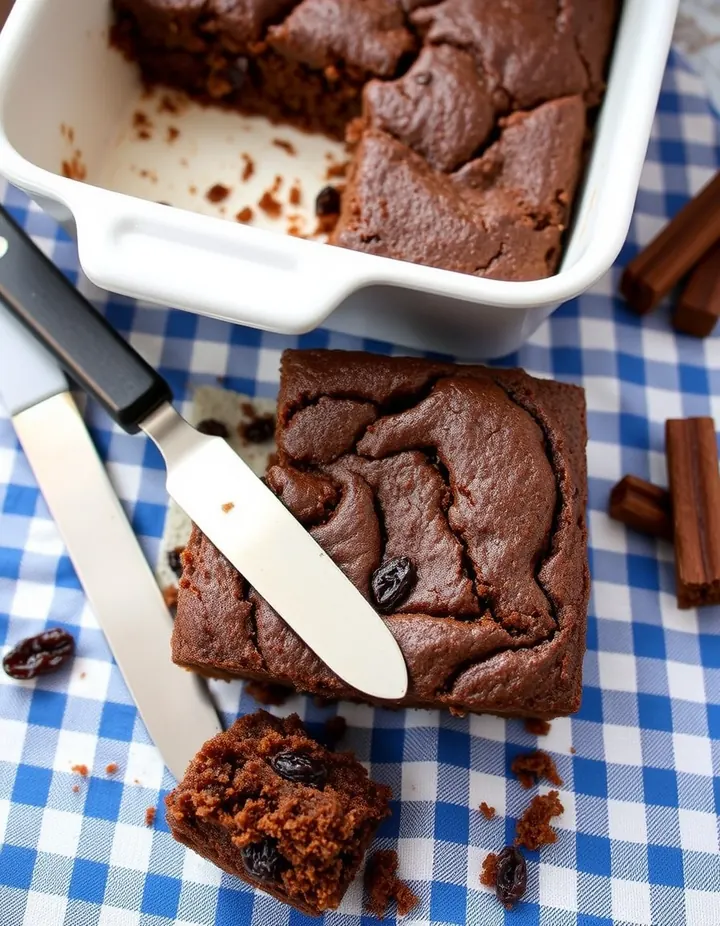
The picture is an illustration, not a photo of this recipe · Contact us to use it
Explore the science
The flavor team
The pairs that carry this dish. Each one is judged two ways: how much aroma chemistry they share, and how many recipes mention both.
-
Tea + gingertop 3% of all pairsAroma overlapstrongMentioned together216 recipes
Shared aroma: isoamyl acetate (banana, pear).
-
Butter + creamtop 3% of all pairsAroma overlapstrongMentioned together41,494 recipes
Shared aroma: delta-dodecalactone (sweet, creamy).
-
Sugar + creamtop 5% of all pairsAroma overlapmoderateMentioned together43,437 recipes
Shared aroma: 2,3-butanedione (butter, sweet).
-
Butter + flourtop 6% of all pairsAroma overlaplowMentioned together122,858 recipes
Shared aroma: isobutyraldehyde (malty, green).
-
Butter + eggtop 8% of all pairsAroma overlapstrongMentioned together118,511 recipes
Shared aroma: nonanal (fat, citrus).
Butter and flour share little aroma chemistry, yet 122,858 recipes mention both: they likely work on texture and structure more than aroma.
Ranks compare each pair with 20,000 random ingredient pairs on CompKitchen. How we score pairs
Make it your own
Stand-ins, a drink, and quick taste fixes for this dish, ranked by how well each fits its other ingredients: shared aroma molecules and how often recipes combine them.
You might also like
 Illustration
 Illustration
 Illustration
 Illustration
The Sunday pairing: one pairing, the chemistry behind it, and how to cook it. No spam, unsubscribe anytime.
Prefer an account? Create a free account for sign-in; Pro adds the full results and chemistry.