The recipe
Ingredients
Directions
To give the required expressions to the faces a box of good water colors, some fine chalk powder, a camel's hair pencil and rouge saucers are wanted. To make frowns, scowls or comical expressions, such as a broad grin, smirk or simper, stand before a mirror and assume the desired expression ; then trace the wrinkles produced with a fine brush of the brown tint; this will fix the required expression of the face. Rouge is best applied with the finger. Burnt cork is excellent for dark- ening eyebrows and making mustaches, also for representing leanness, which can be done by applying a faint tinge just under the eyes, on the sides of the cheeks and under the lower lip. A strong mark, run- ning from the corner of the nose down towards the corner of the mouth on each side marks age or emaciation.
In regard to the preparation of wardrobes : Ermine is made of cot- ton flannel, with tags of lion skin cloth sewed on, or black tags painted. Pelisse wadding is sometimes used. Powdered wigs can be made of tow, raveled yarn, or gray-colored horsehair ; beards and mustache of the same, or a piece of buffalo skin. Crowns and sceptres are easily made of pasteboard and gold paper. Velvet talma cloaks, capes, or even the loose velvet sack can be converted into cavalier cloaks (the armholes in the sack must be fastened up on the inside) by fastening them gracefully over one shoulder. Then put on a large, old-fashioned
60 EN TER TAINMENTS.
lace collar, ruffles around the hand, a Kossuth hat, looped on one side with a paste pin or buckle, fastening a white or black plume, stockings drawn over the pantaloons and fastened at the knees with bows and buckles, and with but little trouble you have a cavalier of the olden times.
Cook to a safe temperature. This method doesn't say how hot the inside should get. Check with a food thermometer in the thickest part:
- Beef, pork, lamb and veal steaks, chops and roasts: 145°F (63°C), then rest 3 minutes.
Figures from the USDA's safe minimum internal temperatures.
Transcribed from a scanned cookbook and modernised for today's kitchens. Where the book gave no heat or time, or said "a moderate oven", the temperatures and times here may be modern equivalents rather than the book's own figures. See the original page.
Found this recipe through an AI assistant? CompKitchen also shows which ingredients go well together and why, from the aroma molecules they share and how often recipes combine them. Try the pairing tools.
Make it your own
Stand-ins, a drink, and quick taste fixes for this dish, ranked by how well each fits its other ingredients: shared aroma molecules and how often recipes combine them.
You might also like
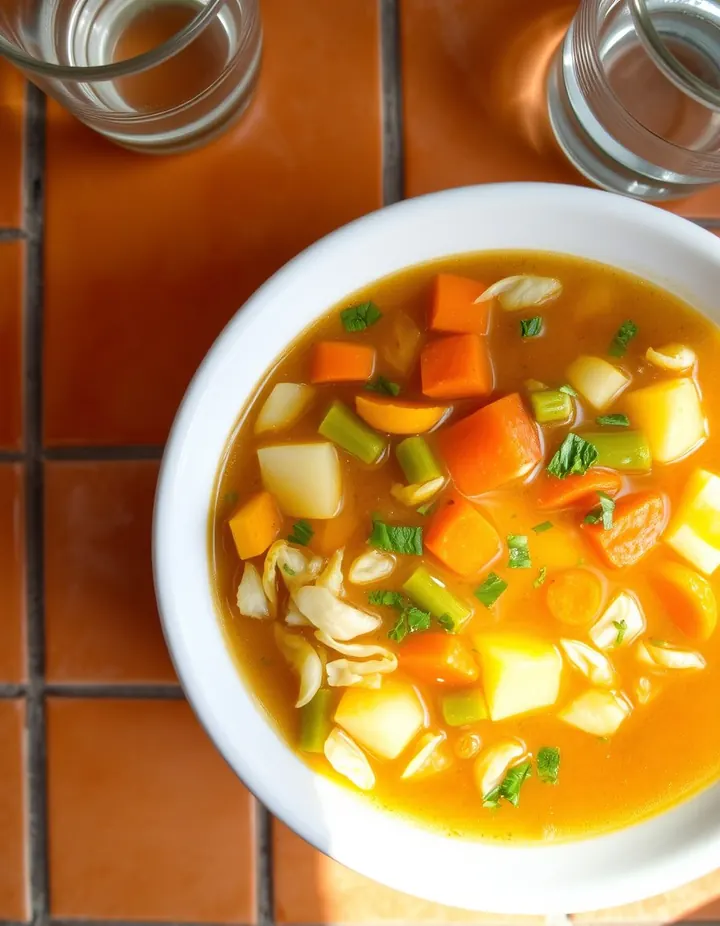 Illustration
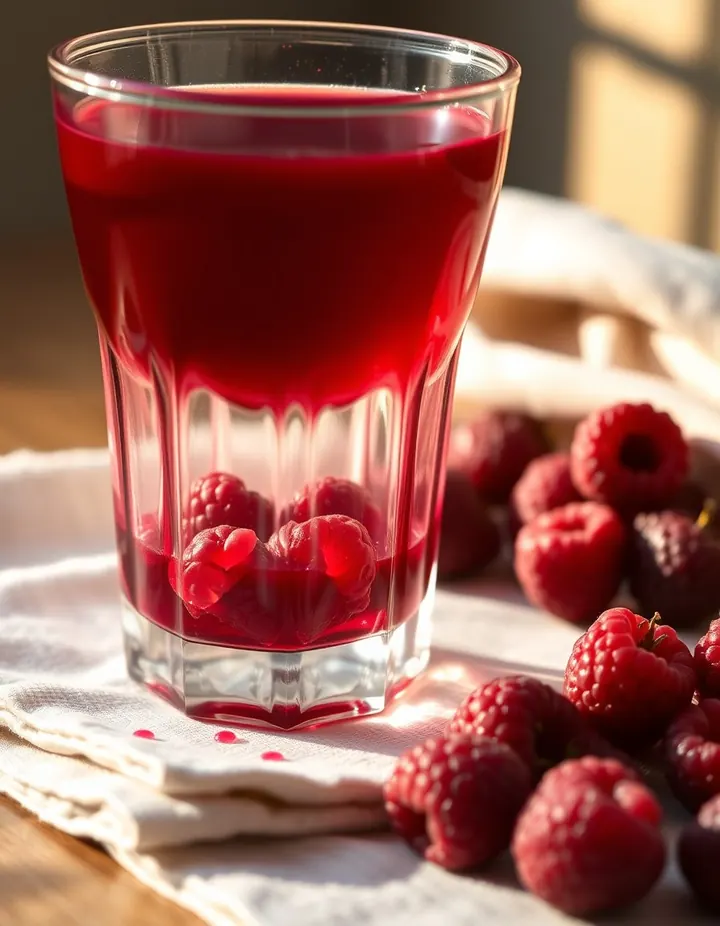 Illustration
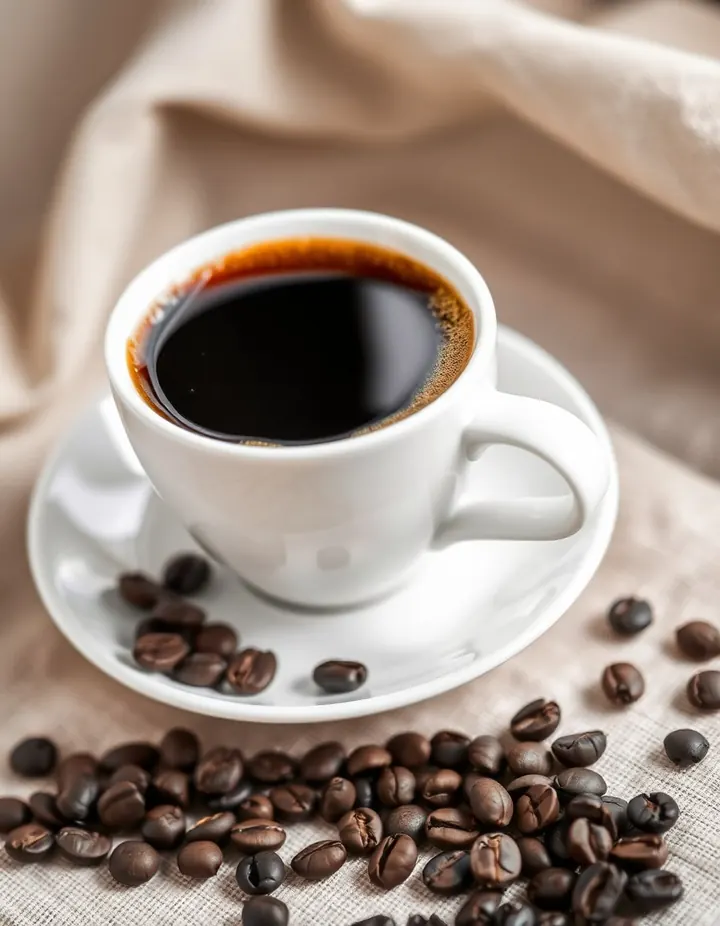 Illustration
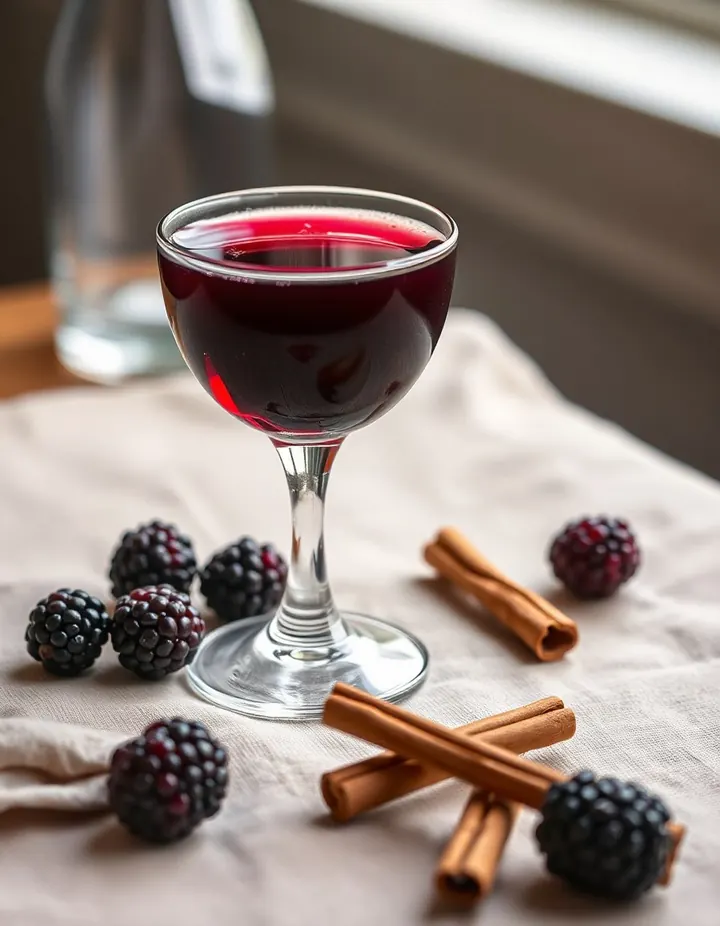 Illustration
The Sunday pairing: one pairing, the chemistry behind it, and how to cook it. No spam, unsubscribe anytime.
Prefer an account? Create a free account for sign-in; Pro adds the full results and chemistry.