Why it works: Fig and lemon match in chemistry and in kitchens. They rank in the top 8% of all ingredient pairs, and 763 recipes mention both. Both carry myrcene, which smells balsamic, herbaceous. The science ↓
The recipe
Ingredients
Directions
Prepare the figs
Take 5 or 6 pounds of ripe figs, the peel of one lemon, and the juice of two lemons.
Let the figs soak in cold water for twelve hours.
Simmer the figs in water until tender, then take them out and drain.
Make the syrup and cook
For each pound of sugar, add a teacup of cold water; boil and skim until clear.
Add the figs to the syrup and simmer for ten minutes.
Take the figs out and spread them in the sun for a short time.
Add the lemon juice, lemon peel, and a small teaspoonful of ginger to the syrup, and boil until thick.
Put the fruit back into the syrup and boil for fifteen minutes more.
Pack the jars
Fill jars about three-fourths with the fruit, then fill up with hot syrup.
Other fruits and pickles
Any kind of fruit can be cooked similarly; lay in sun until dry, then pack in boxes dusted with sugar and white paper between layers.
Fig pickles can be made similarly with less sugar, a little vinegar, and spices.
Transcribed from a scanned cookbook and modernised for today's kitchens. Where the book gave no heat or time, or said "a moderate oven", the temperatures and times here may be modern equivalents rather than the book's own figures. See the original page.
Found this recipe through an AI assistant? CompKitchen also shows which ingredients go well together and why, from the aroma molecules they share and how often recipes combine them. Try the pairing tools.
Explore the science
The flavor team
The pairs that carry this dish. Each one is judged two ways: how much aroma chemistry they share, and how many recipes mention both.
-
Fig + lemontop 8% of all pairsAroma overlapstrongMentioned together763 recipes
Shared aroma: myrcene (balsamic, herbaceous).
-
Ginger + lemontop 3% of all pairsAroma overlapstrongMentioned together5,154 recipes
Shared aroma: beta-phellandrene (minty, terpene).
-
Fig + gingertop 7% of all pairsAroma overlapstrongMentioned together208 recipes
Shared aroma: methyl 2-methylbutyrate (fruity, apple).
-
Ginger + syruptop 8% of all pairsAroma overlaplowMentioned together950 recipes
Shared aroma: ethanol (alcoholic, ethereal).
-
Syrup + lemontop 11% of all pairsAroma overlaplowMentioned together2,234 recipes
Shared aroma: ethanol (alcoholic, ethereal).
Ranks compare each pair with 20,000 random ingredient pairs on CompKitchen. How we score pairs
What each ingredient does
- Figs
- Form the main body of the preserve, softening into tender fruit as they cook in syrup.
- Sugar (in the method)
- Sweetens the preserve and, with cooking, thickens the syrup and helps preserve the fruit.
- Lemon
- Adds acidity that brightens the flavor and balances the sweetness of the syrup.
- Ginger
- Adds a warm, aromatic spice note to the syrup.
The step that matters
Boiling the syrup until thick. Sugar syrup thickens as water evaporates and sets as it cools; if it is not boiled long enough the preserve stays thin and may spoil sooner, while overcooking can make the fruit tough.
Flavor stand-ins for the lemon
How well each one fits the dish's main ingredients (fig, ginger, syrup):
- Apricotbetter flavor fit
- Pearbetter flavor fit
- Peachbetter flavor fit
- Lemonthe original
Fit is the average pairing score against fig, ginger, syrup. Candidates are from the same food group and used in at least 100 recipes. This compares flavor only: it does not check the job the ingredient does in the dish (bulk, moisture, acidity, structure).
“What each ingredient does” and “The step that matters” were written by Claude, an AI, from this recipe’s own method. They are not checked recipe by recipe, so they can be wrong.
Make it your own
Stand-ins, a drink, and quick taste fixes for this dish, ranked by how well each fits its other ingredients: shared aroma molecules and how often recipes combine them.
You might also like
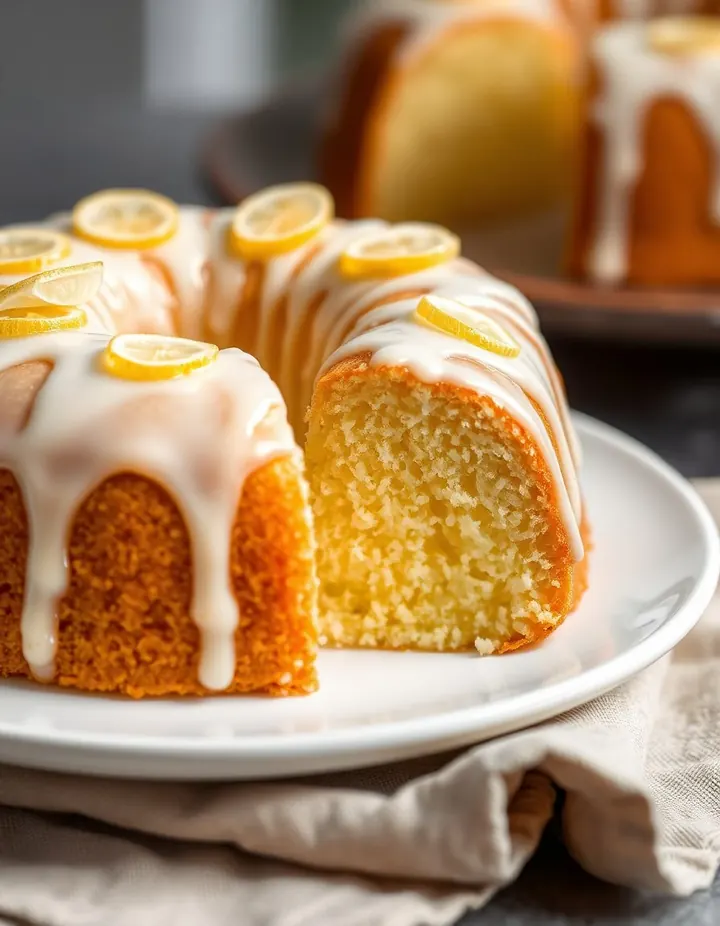 Illustration
 Illustration
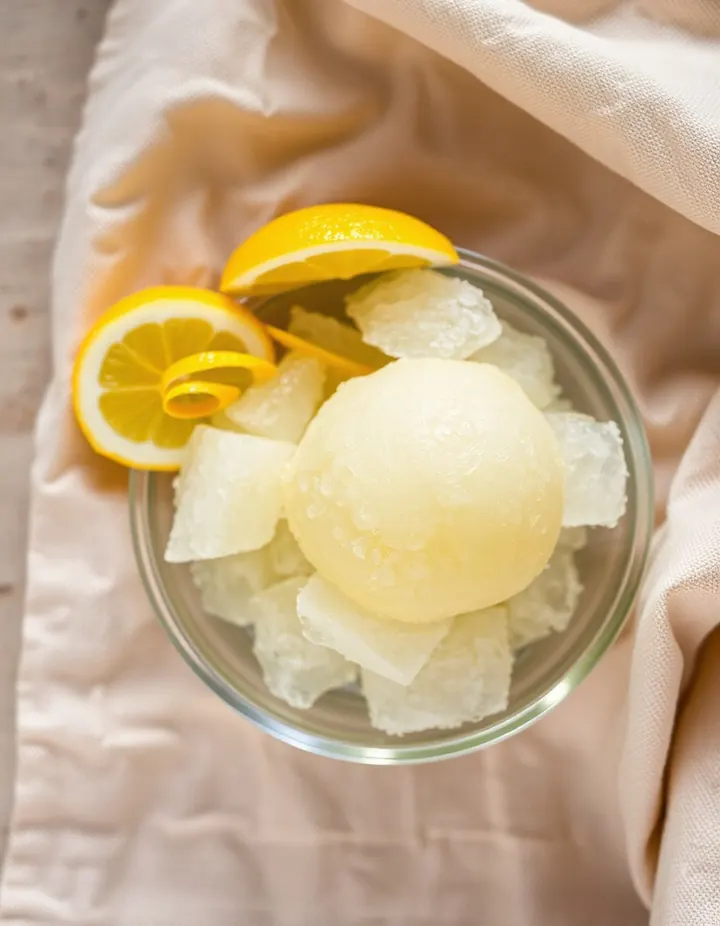 Illustration
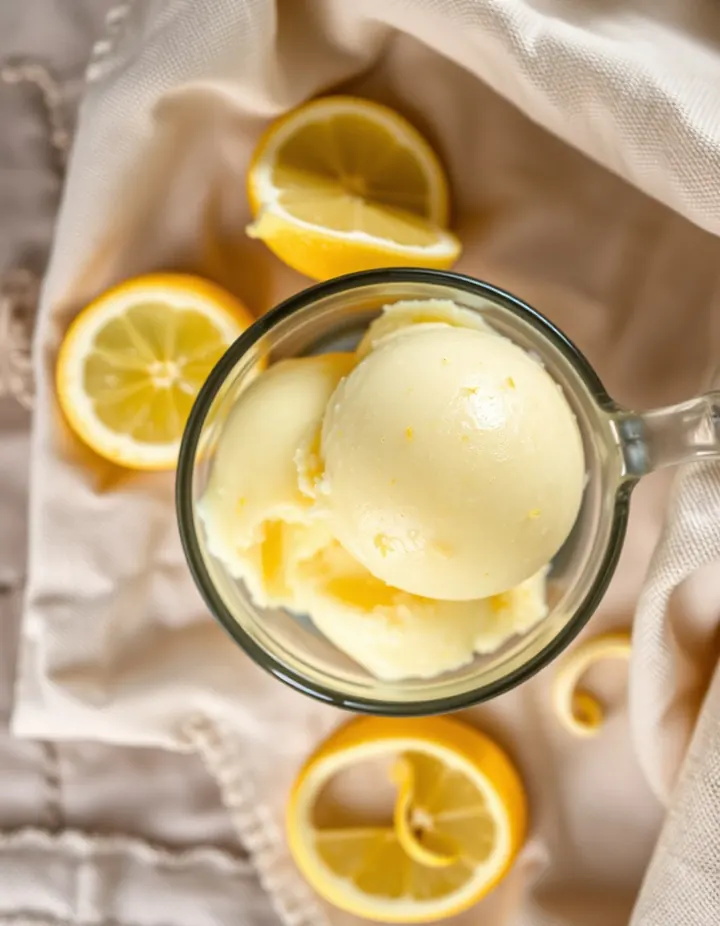 Illustration
The Sunday pairing: one pairing, the chemistry behind it, and how to cook it. No spam, unsubscribe anytime.
Prefer an account? Create a free account for sign-in; Pro adds the full results and chemistry.