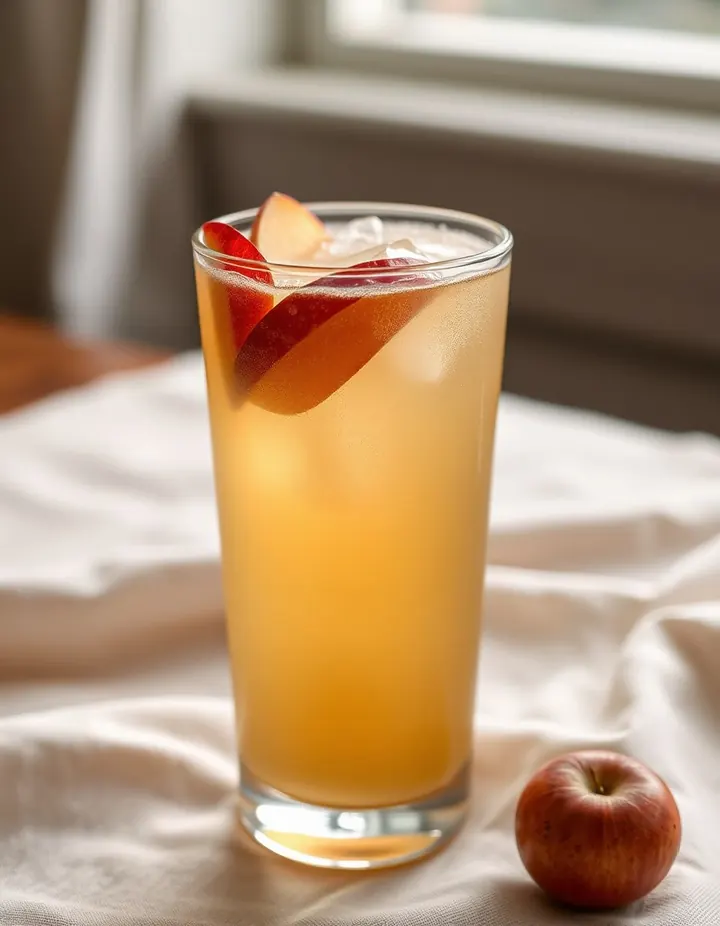
 Illustration
The recipe
Ingredients
Directions
Clean and sanitize the mill, press, fermentation vessel, siphon tube and bottles with a food-safe sanitizer, then rinse well before use.
Wash the apples, cut away bruised parts, and grind them. Press the juice promptly. If the pulp must wait, keep it in the refrigerator for no more than 24 hours before pressing.
Pour the clear juice into a clean food-grade fermentation container, filling it no more than three-quarters full. Fit an airlock. Do not burn sulphur in the container.
Ferment at about 65 to 70°F (18 to 21°C), in a dark place away from sunlight, until bubbling in the airlock nearly stops, usually 1 to 3 weeks.
Check fermentation with a hydrometer. Fermentation is finished only when the reading is the same on 3 days in a row. Do not judge by bubbles alone.
Siphon the clear cider off the sediment into a clean vessel, leaving the sediment behind. If the cider is still cloudy, rack it again in late winter.
Bottle the cider only after fermentation is complete, using bottles made for carbonated drinks, and leave headspace. Cap or seal them and label the date.
Store the bottles cool, about 50 to 55°F (10 to 13°C), out of sunlight. Refrigerate after opening and drink within 3 to 4 days.
Original text from the book (8 steps)
Ensure the mill, press, and materials are clean and sweet.
Grind the ripe apples and let the juice sit in the pumice for 24 hours for better flavor.
Place the juice in open casks or vats to ferment.
Monitor the fermentation until a soft spongy crust forms and begins to crack.
When the crust cracks and white froth appears, draw off the clear liquor into clean casks.
Fumigate the cider by igniting a strip of cloth dipped in melted sulphur inside the cask.
Shake the cask to incorporate the fumes, then fill and seal it.
Rack the cider off again in late February or early March.
From a scanned old cookbook. The method has been rewritten by AI to follow current food-safety guidance (safe cooking temperatures, refrigeration, no raw-egg shortcuts). It hasn't been kitchen-tested. The original text is under the method.
Found this recipe through an AI assistant? CompKitchen also shows which ingredients go well together and why, from the aroma molecules they share and how often recipes combine them. Try the pairing tools.
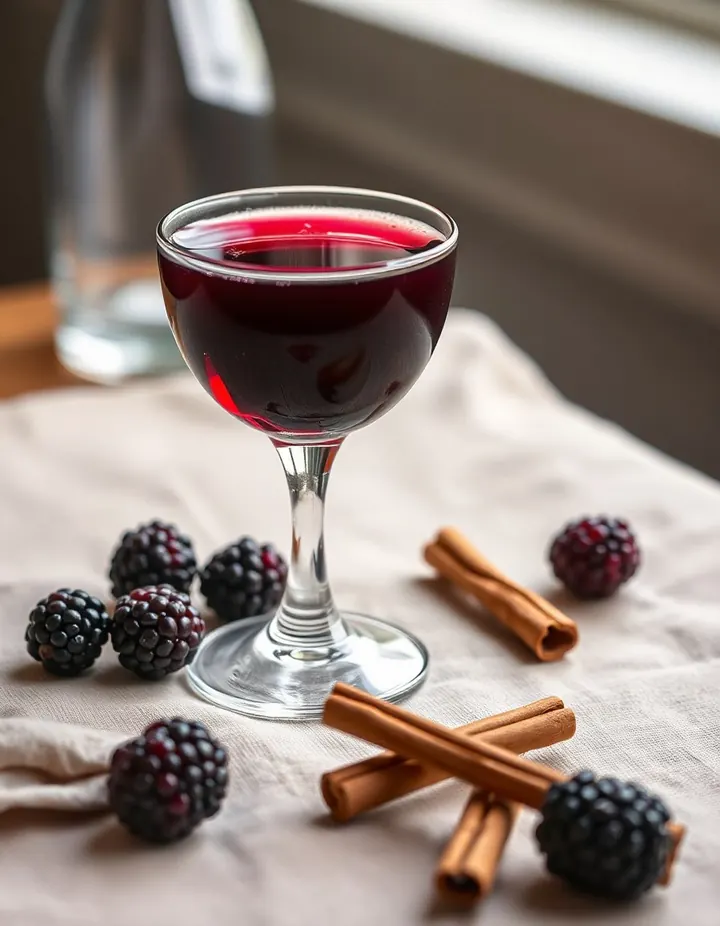
The picture is an illustration, not a photo of this recipe · Contact us to use it
Make it your own
Stand-ins, a drink, and quick taste fixes for this dish, ranked by how well each fits its other ingredients: shared aroma molecules and how often recipes combine them.
More apple cider recipes
You might also like
 Illustration
 Illustration
 Illustration
 Illustration
The Sunday pairing: one pairing, the chemistry behind it, and how to cook it. No spam, unsubscribe anytime.
Prefer an account? Create a free account for sign-in; Pro adds the full results and chemistry.