Why it works: Apple and spirit work together. They rank in the top 6% of all ingredient pairs, and 27 recipes mention both. Both carry isoamyl acetate, which smells banana, fruity. The science ↓
The recipe
Ingredients
Contains: fish (auto-detected from the ingredients and method; we can miss things, so check labels)
Also mentioned in the method: fish
Directions
Clean and sanitize all equipment (fermenting vessel, airlock, spoon, siphon tube, hydrometer, carboy and bottles) with a food-grade sanitizer, following its label.
Pour 1 gallon of apple juice into a large pan and stir in 2 lbs of white sugar. Heat to a gentle simmer, skim off the scum that rises, then cool to room temperature, about 70°F (21°C).
Pour the cooled juice into the sanitized fermenting vessel. Take a hydrometer reading (specific gravity) and write it down. Sprinkle in the good yeast, stir well, and fit an airlock.
Ferment at room temperature, about 65-75°F (18-24°C), away from direct sunlight, for 2-3 weeks, until bubbling slows and the foam head flattens.
Siphon the wine off the sediment into a clean, sanitized carboy and fit an airlock. Repeat this racking whenever new sediment settles out.
After about one year, add isinglass following the package directions to clear the wine. Let it settle, then rack off the clear wine. Isinglass is made from fish.
For every gallon, stir in about 2 fl oz (60 ml) of brandy (or the equivalent of 1 pint per 8 gallons) to fortify the wine.
Bottle only when fermentation is finished: take hydrometer readings on 3 days in a row, and bottle only if they match. Bubbles alone are not a reliable sign.
Siphon into clean bottles made for carbonated drinks, leaving headspace, and seal. Store the bottles in a cool place, below 60°F (15°C).
Original text from the book (7 steps)
Add 2 lbs of sugar to 1 gallon of apple juice immediately after pressing.
Boil until scum rises, then strain through a sieve and let cool.
Add good yeast and stir well.
Let it ferment in a tub for 2-3 weeks, or until the head flattens.
Skim off the head, draw it clear, and turn it.
After one year, rack it off and fine it with isinglass.
Add ½ pint of rectified spirits of wine or 1 pint of French brandy for every 8 gallons.
From a scanned old cookbook. The method has been rewritten by AI to follow current food-safety guidance (safe cooking temperatures, refrigeration, no raw-egg shortcuts). It hasn't been kitchen-tested. The original text is under the method.
Found this recipe through an AI assistant? CompKitchen also shows which ingredients go well together and why, from the aroma molecules they share and how often recipes combine them. Try the pairing tools.
Explore the science
The flavor team
The pairs that carry this dish. Each one is judged two ways: how much aroma chemistry they share, and how many recipes mention both.
-
Apple + spirittop 6% of all pairsAroma overlapmoderateMentioned together27 recipes
Shared aroma: isoamyl acetate (banana, fruity).
-
Apple + sugartop 9% of all pairsAroma overlaplowMentioned together16,440 recipes
Shared aroma: beta-damascenone (apple, rose).
-
Sugar + spirittop 16% of all pairsAroma overlapmoderateMentioned together602 recipes
Shared aroma: beta-damascenone (apple, rose).
Apple and sugar share little aroma chemistry, yet 16,440 recipes mention both: they likely work on texture and structure more than aroma.
Ranks compare each pair with 20,000 random ingredient pairs on CompKitchen. How we score pairs
Make it your own
Stand-ins, a drink, and quick taste fixes for this dish, ranked by how well each fits its other ingredients: shared aroma molecules and how often recipes combine them.
You might also like
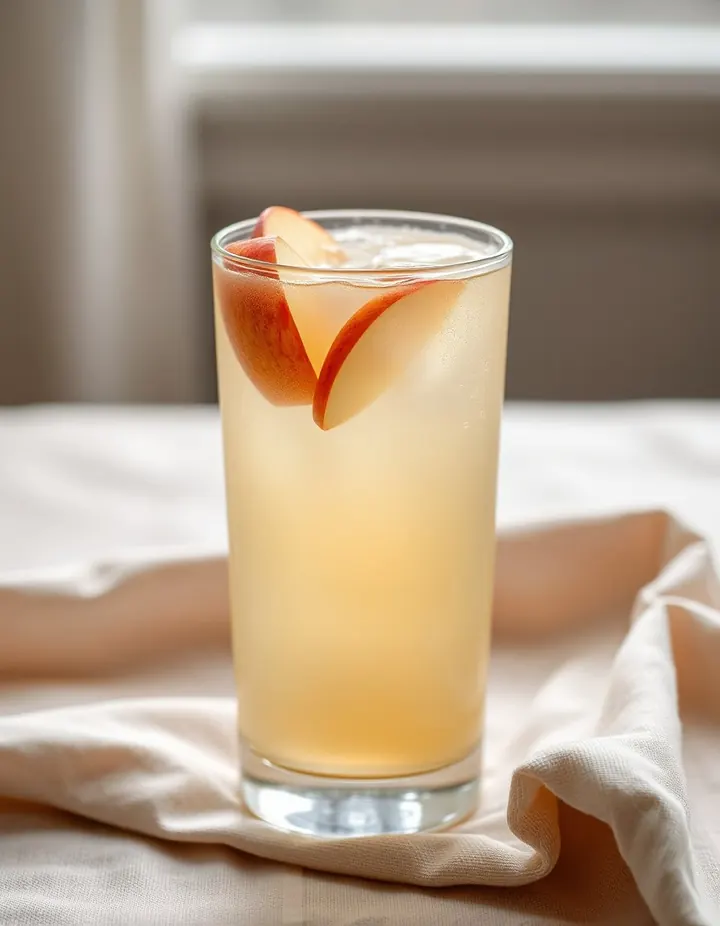 Illustration
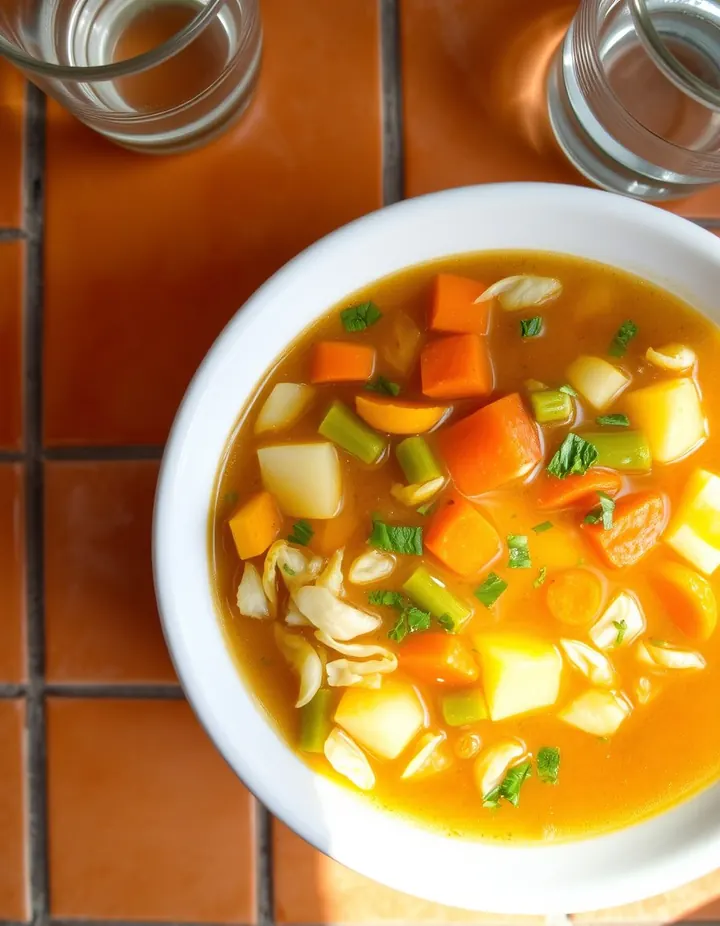 Illustration
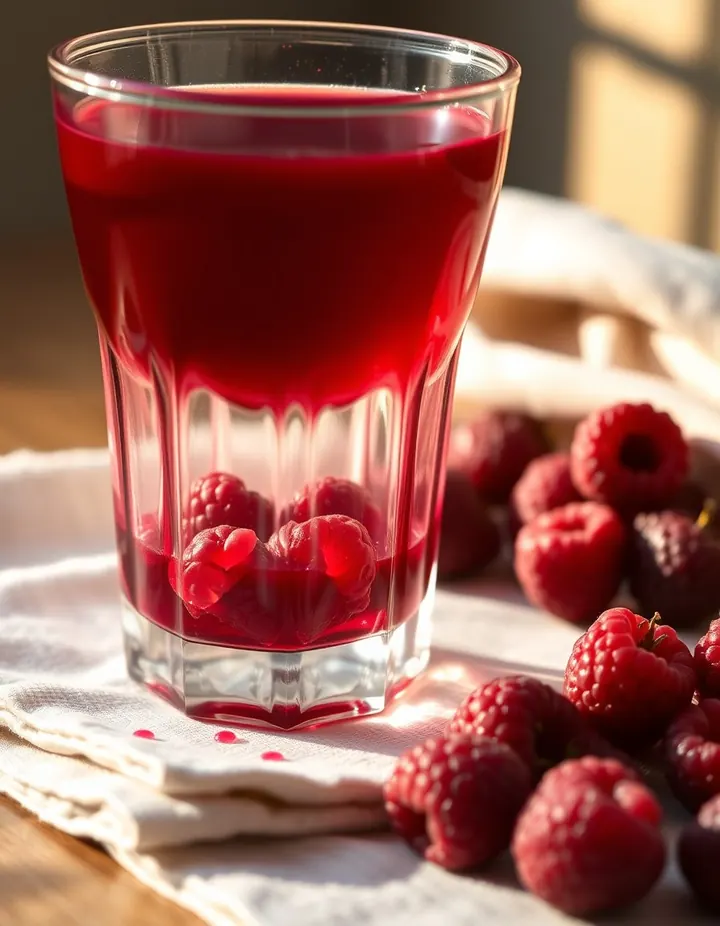 Illustration
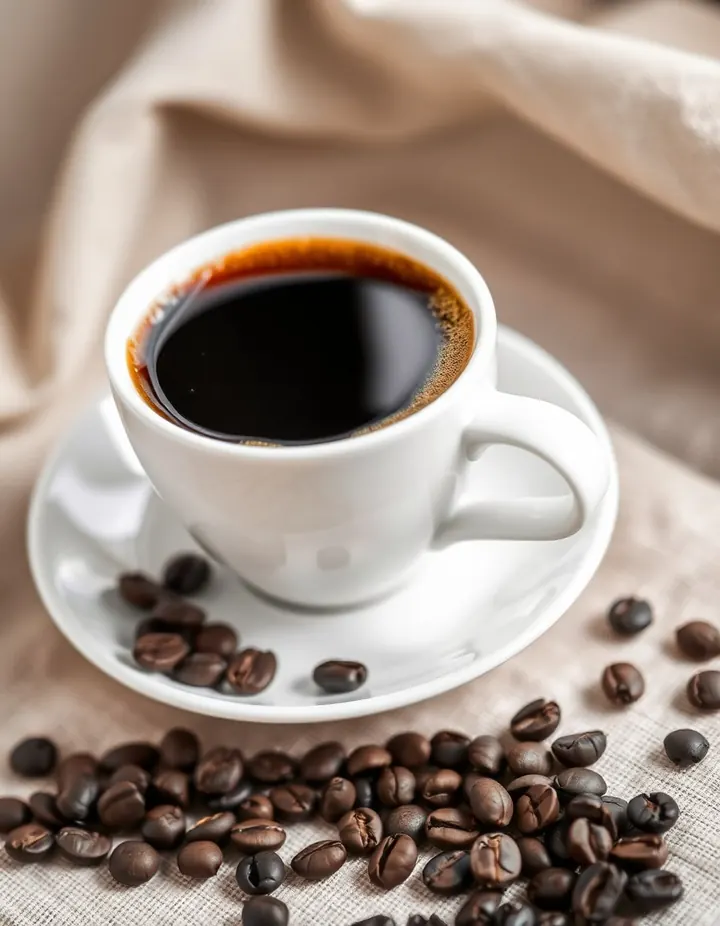 Illustration
The Sunday pairing: one pairing, the chemistry behind it, and how to cook it. No spam, unsubscribe anytime.
Prefer an account? Create a free account for sign-in; Pro adds the full results and chemistry.