Why it works: Peach and syrup work together. They rank in the top 10% of all ingredient pairs, and 210 recipes mention both. Both carry ethanol, which smells alcoholic, ethereal. The science ↓
The recipe
Ingredients
Contains: milk, wheat (auto-detected from the ingredients and method; we can miss things, so check labels)
Directions
The book gives no oven temperature. The 400°F (200°C) in the steps was added when the recipe was transcribed, as a starting point.
Prepare the case
Preheat the oven to 400°F (200°C).
Grease a fluted circular or oval mold, about 2 inches high and 8 inches in diameter, with butter.
Line the mold with short pastry, cut the edges level, and pinch the top edges with pastry pincers.
Fill the case with flour mixed with chopped suet and bake until three-quarters done.
Remove the flour and clean the case with a paste brush.
Fill and bake
Fill the case with halved peaches that have been simmered in thin syrup for 5 minutes.
Return the flan to the oven for about 15 minutes.
Arrange a close row of peach halves on top.
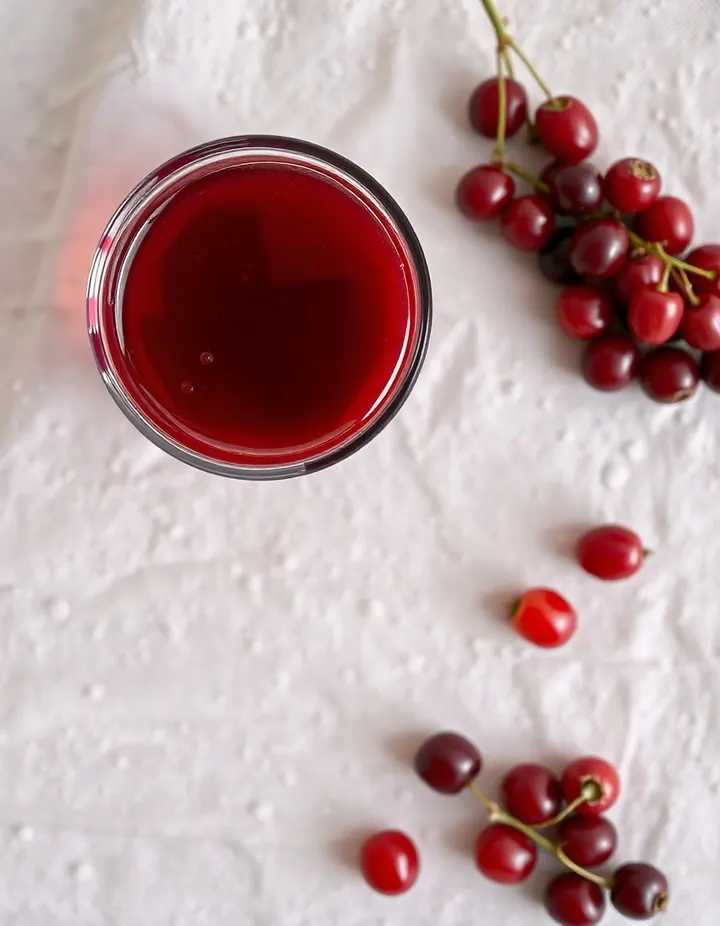
Pour over the jelly made from the syrup and red currant juice.
Garnish with a peach kernel on each piece.
Transcribed from a scanned cookbook and modernised for today's kitchens. Where the book gave no heat or time, or said "a moderate oven", the temperatures and times here may be modern equivalents rather than the book's own figures.
Found this recipe through an AI assistant? CompKitchen also shows which ingredients go well together and why, from the aroma molecules they share and how often recipes combine them. Try the pairing tools.
Explore the science
The flavor team
The pairs that carry this dish. Each one is judged two ways: how much aroma chemistry they share, and how many recipes mention both.
-
Peach + syruptop 10% of all pairsAroma overlaplowMentioned together210 recipes
Shared aroma: ethanol (alcoholic, ethereal).
-
Peach + red curranttop 4% of all pairsAroma overlapstrongMentioned together33 recipes
Shared aroma: isoamyl acetate (banana, pear).
-
Butter + peachtop 6% of all pairsAroma overlapstrongMentioned together859 recipes
Shared aroma: 2,6-nonadienal (cucumber, green).
-
Butter + flourtop 6% of all pairsAroma overlaplowMentioned together122,858 recipes
Shared aroma: isobutyraldehyde (malty, green).
-
Butter + red curranttop 10% of all pairsAroma overlapstrongMentioned together494 recipes
Shared aroma: isoamyl acetate (banana, pear).
Butter and flour share little aroma chemistry, yet 122,858 recipes mention both: they likely work on texture and structure more than aroma.
Ranks compare each pair with 20,000 random ingredient pairs on CompKitchen. How we score pairs
What each ingredient does
- Short paste
- Forms the crisp, sturdy case that holds the filling.
- Chopped suet
- Mixed with flour to fill the case, adding richness and fat to the base.
- Peaches
- Provide the fruit flavour and soft, juicy body of the flan.
- Red currant juice
- Makes the tart jelly that sets over the peaches, adding acidity and gloss.
The step that matters
Clean the case before filling. Brushing out the loose flour after partial baking leaves a dry, clean pastry surface. Any leftover crumbs or flour can burn or make the base soggy once the fruit and jelly go in.
Flavor stand-ins for the red currant
How well each one fits the dish's main ingredients (butter, flour, peach, syrup):
- Vanillabetter flavor fit
- Apricotbetter flavor fit
- Raspberrybetter flavor fit
- Red currantthe original
Fit is the average pairing score against butter, flour, peach, syrup. Candidates are from the same food group and used in at least 100 recipes. This compares flavor only: it does not check the job the ingredient does in the dish (bulk, moisture, acidity, structure).
“What each ingredient does” and “The step that matters” were written by Claude, an AI, from this recipe’s own method. They are not checked recipe by recipe, so they can be wrong.
Make it your own
Stand-ins, a drink, and quick taste fixes for this dish, ranked by how well each fits its other ingredients: shared aroma molecules and how often recipes combine them.
You might also like
 Illustration
 Illustration
 Illustration
 Illustration
The Sunday pairing: one pairing, the chemistry behind it, and how to cook it. No spam, unsubscribe anytime.
Prefer an account? Create a free account for sign-in; Pro adds the full results and chemistry.