Egg
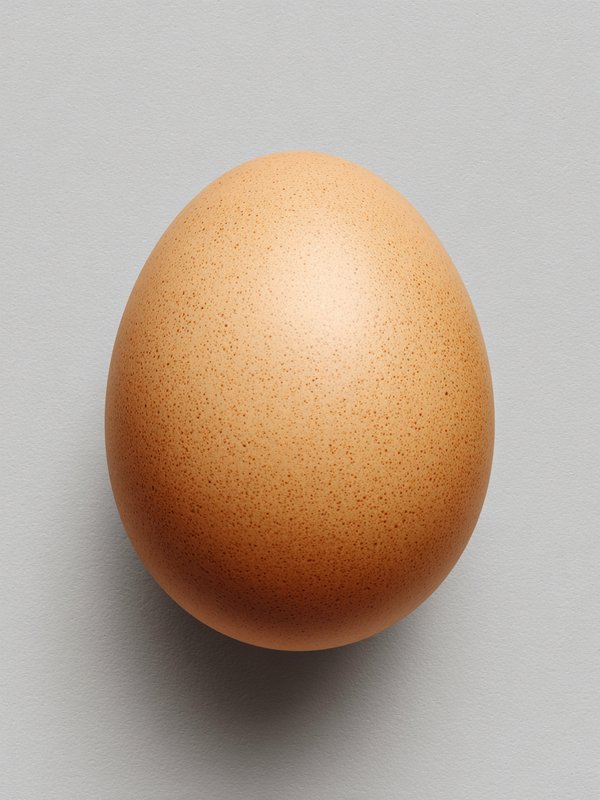
Egg is an egg with 47 known flavor compounds. The most distinctive molecule is (e,e)-2,4-decadienal. It pairs most strongly with cream, sharing 10 flavor compounds. Egg appears in 220,467 recipes, most commonly in creole cuisine.
Flavor Science
What Makes Egg Unique
Compounds ranked by rarity — the higher the score, the more distinctive to this ingredient.
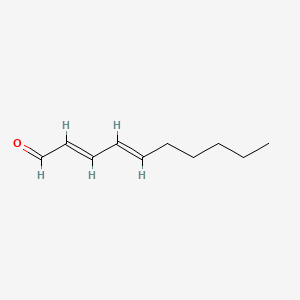
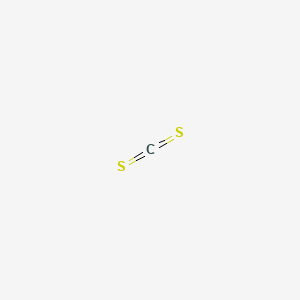
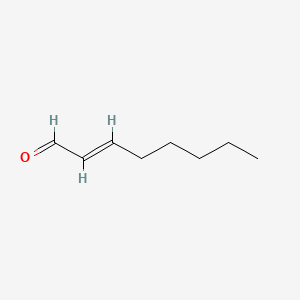
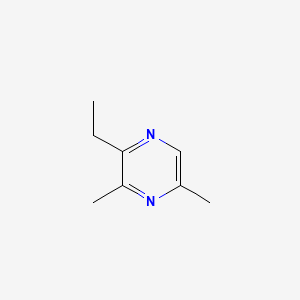
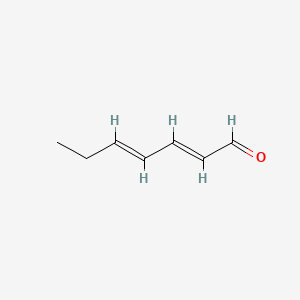
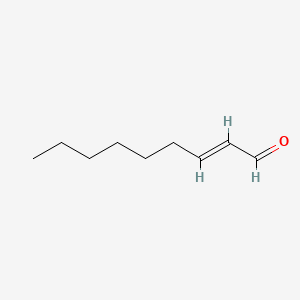
Key Food Odorants Present
28 of 47 compoundsOf the ~226 molecules that drive perceived food aroma (Dunkel et al. 2014), Egg's inventory contains 28. Most of the other 19 compounds are below detection threshold.
+ 16 more — showing top 12 by class and threshold.
Generalist = appears in >25% of foods (Maillard / fermentation products). Individualist = appears in <5% of foods (carries signature notes). Threshold values are in clean water — the actual perception threshold in a food matrix can differ substantially.
Flavor Profile Breakdown
47 compoundsHow Egg's 47 known compounds break down by aroma category. Percentages are of compounds with a known label.
Most Used In
Flavor Compounds
11 of 47 are distinctive to egg — they appear in under 10% of foods. The remainder are the background most foods share.
Ordered by measured impact in egg — concentration against odour threshold where both are published, then by how distinctive the molecule is across the graph. Molecules measured here but not established as odorants sit below those that are.
Best Pairings for Egg
Ranked by how often cooks actually use them together, across 453,403 recipes — the familiar answer first. Each pairing still carries its molecular score and shared-compound count; only the ORDER differs. Counts cover every characterised molecule the two ingredients have in common, not only the aroma-active ones, so they can exceed an ingredient’s aroma-compound count. For the chemistry-first view — where the surprising pairings live — see the molecular network below, the side-by-side comparison, or the Pairing Tool.
Molecular Neighborhood
Egg and its 10 closest compound-sharing relatives. Spoke thickness = shared compounds; circle size = that ingredient's own compound count. Drag to rearrange, scroll to zoom, click to open.

Compare Egg side-by-side

