meat sour & tangy Gluten-free Dairy-free Nut-free Kosher Halal

True Frog

True Frog is a meat with 38 known flavor compounds. True Frog has no compounds unique to it in our source data — its profile is made up entirely of volatiles common across many foods, so we don't report a signature molecule or a top pairing for it.

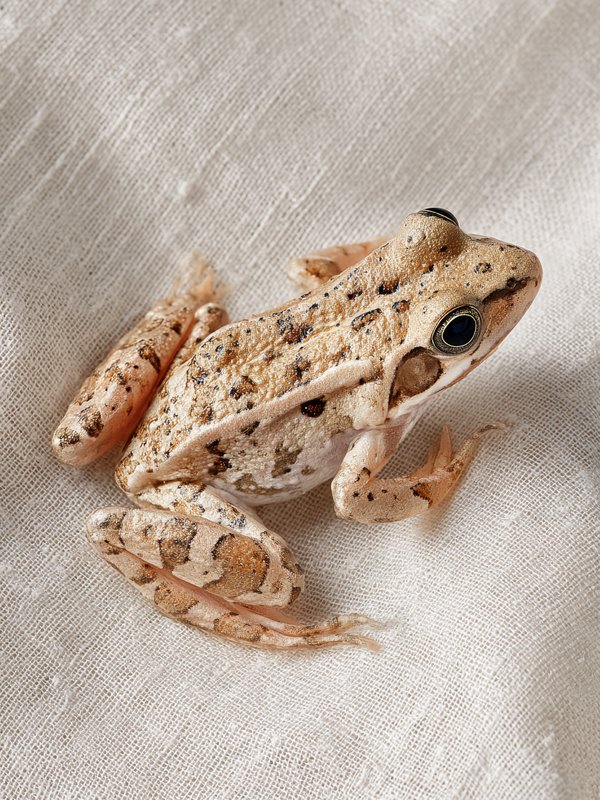
True Frog — ingredient reference image
38
Flavor Compounds
8
Top Pairings of 856 scored

Flavor Science

Flavor Profile Breakdown

38 compounds

How True Frog's 38 known compounds break down by aroma category. Percentages are of compounds with a known label.

other 16 · 42.1%
sour 14 · 36.8%
floral 3 · 7.9%
chemical 1 · 2.6%
fruity 1 · 2.6%
sulfurous 1 · 2.6%

Flavor Compounds

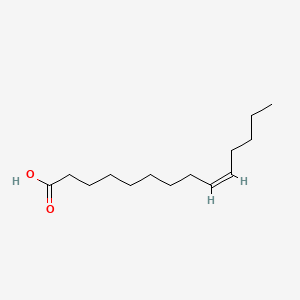
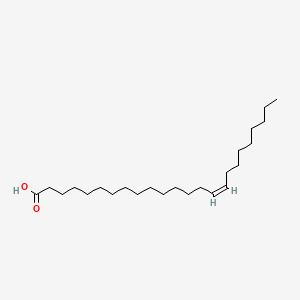
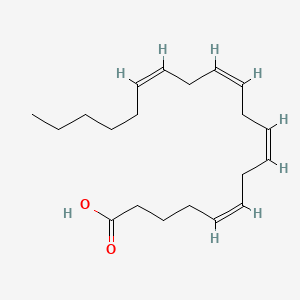
No chemistry specific to true frog has been recorded. Every compound below appears in more than 10% of the foods in the graph — these are the vitamins, amino acids and common fatty acids nearly everything carries, not this ingredient’s aroma profile. Treat pairings involving it as unsupported until it is characterised.

Ordered by measured impact in true frog — concentration against odour threshold where both are published, then by how distinctive the molecule is across the graph. Molecules measured here but not established as odorants sit below those that are.

Molecules volatile enough to reach the nose.

Best Pairings for True Frog

Ranked by how often cooks actually use them together, across 453,403 recipes — the familiar answer first. Each pairing still carries its molecular score and shared-compound count; only the ORDER differs. Counts cover every characterised molecule the two ingredients have in common, not only the aroma-active ones, so they can exceed an ingredient’s aroma-compound count. For the chemistry-first view — where the surprising pairings live — see the molecular network below, the side-by-side comparison, or the Pairing Tool.

Limited data for this ingredient

Our sources don't yet contain a dedicated aroma analysis for true frog. Its profile is built entirely from volatiles that are common across many foods, with none specific to it — so the ranking below reflects that shared background, not a distinct molecular match. Treat it as a placeholder until we have GC‑MS coverage for this ingredient.

Molecular Neighborhood

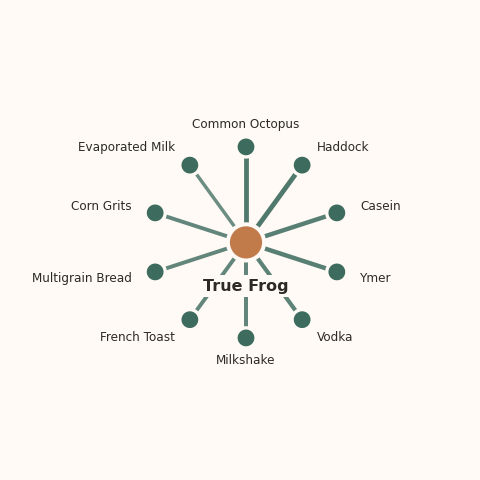
True Frog and its 10 closest compound-sharing relatives. Spoke thickness = shared compounds; circle size = that ingredient's own compound count. Drag to rearrange, scroll to zoom, click to open.

Molecular neighborhood diagram of true frog — top 10 ingredients ranked by shared volatile compounds
Research basis

True Frog is supported by 240 peer-reviewed papers

Drawn from PubMed + Europe PMC + food-science journals. Click any title to read the full abstract on the original source.