Why it works: Beef and sugar are a kitchen classic. They rank in the top 26% of all ingredient pairs, and 5,435 recipes mention both. Both carry beta-damascenone, which smells apple, rose. The science ↓
The recipe
Ingredients
Directions
Pat the beef tongue dry with paper towels; do not rinse it. Rub all over with the coarse sea salt, coarse sugar, black pepper and bruised juniper berries.
Cover and refrigerate for 1 to 2 days, turning the tongue once a day. Do not keep it longer.
Remove the tongue from the refrigerator and place it in a large pot with enough water to cover. Simmer gently for about 3 hours, until a fork slides in easily. The meat must reach at least 145°F (63°C), and tenderness confirms it is cooked through.
Cool the tongue until it can be handled, then peel off the tough outer skin and discard it.
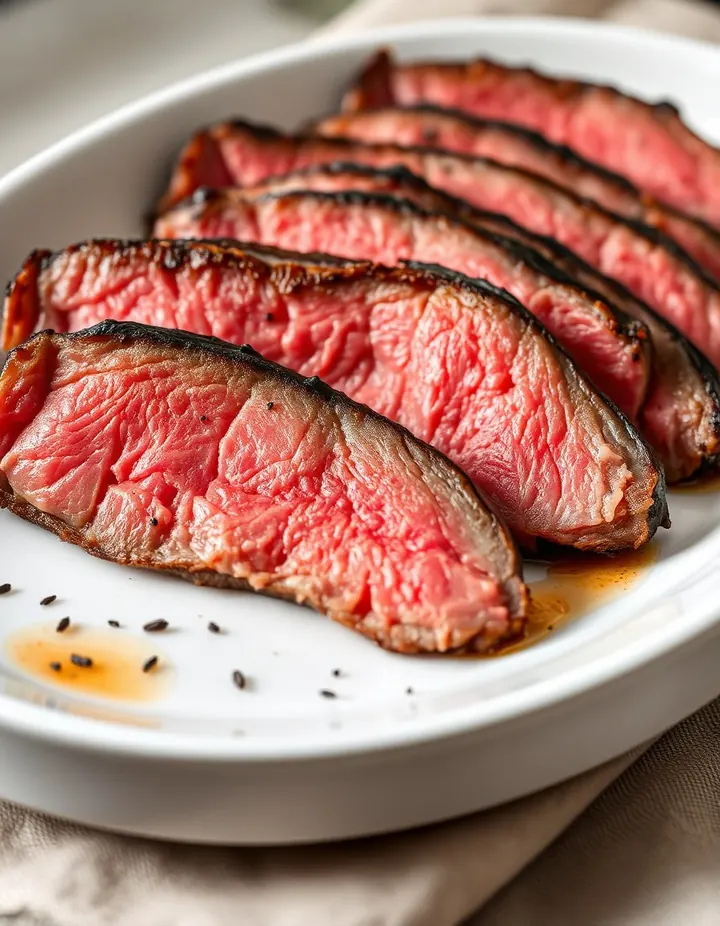
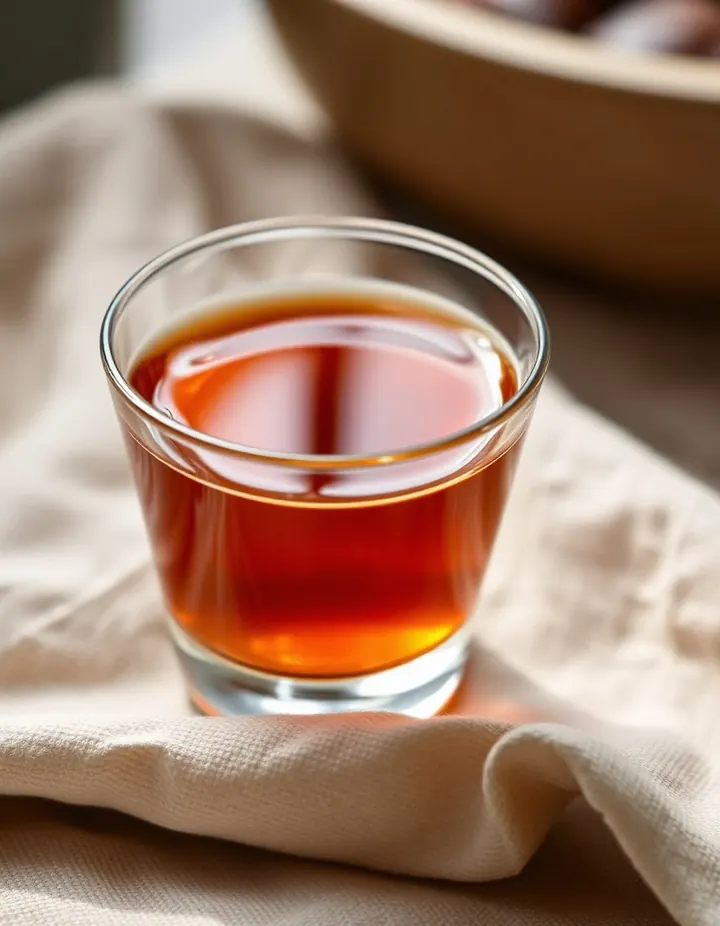
Heat the oven to 375°F (190°C). Brush the treacle over the tongue and roast for 15 to 20 minutes until glazed and sticky. Rest 3 minutes before slicing.
Refrigerate leftovers within 2 hours and eat within 3 to 4 days, or freeze for longer storage. This is a fresh version; for a long-keeping cured version, follow a tested curing recipe.
Original text from the book (6 steps)
Rub the tongue with a handful of fine salt and let it drain overnight.
Mix saltpetre, coarse sugar, and black pepper together.
Rub the mixture onto the tongue, then add bruised juniper berries.
After two days, add the coarse sea salt and let it sit for three more days.
Pour treacle over the tongue and let it pickle for two weeks.
Hang the tongue to drain, wrap it in brown paper, and smoke it over a wood fire for two to three weeks.
From a scanned old cookbook. The method has been rewritten by AI to follow current food-safety guidance (safe cooking temperatures, refrigeration, no raw-egg shortcuts). It hasn't been kitchen-tested. The original text is under the method.
Found this recipe through an AI assistant? CompKitchen also shows which ingredients go well together and why, from the aroma molecules they share and how often recipes combine them. Try the pairing tools.
Explore the science
The flavor team
The pairs that carry this dish. Each one is judged two ways: how much aroma chemistry they share, and how many recipes mention both.
-
Beef + sugartop 26% of all pairsAroma overlaplowMentioned together5,435 recipes
Shared aroma: beta-damascenone (apple, rose).
-
Beef + peppertop 4% of all pairsAroma overlapstrongMentioned together18,971 recipes
Shared aroma: 2-isopropyl-3-methoxypyrazine (earthy, pea).
-
Sugar + peppertop 22% of all pairsAroma overlaplowMentioned together19,398 recipes
Shared aroma: 2-nonenal (fatty, green).
Sugar and pepper share little aroma chemistry, yet 19,398 recipes mention both: they likely work on texture and structure more than aroma.
Ranks compare each pair with 20,000 random ingredient pairs on CompKitchen. How we score pairs
Make it your own
Stand-ins, a drink, and quick taste fixes for this dish, ranked by how well each fits its other ingredients: shared aroma molecules and how often recipes combine them.
You might also like
 Illustration
 Illustration
 Illustration
 Illustration
The Sunday pairing: one pairing, the chemistry behind it, and how to cook it. No spam, unsubscribe anytime.
Prefer an account? Create a free account for sign-in; Pro adds the full results and chemistry.