Bitter Orange
Cooks often pair bitter orange with
49 recipes in our collection
What goes with bitter orange
The classics
Bitter Orange pairing chart
- PartnerAroma overlapRecipes together
- lemon21
- mallard duck8
- cardamom2
- rum2
- grape5
- pepper12
- bergamot1
- brandy4
- lime3
- butter8
- cinnamon3
- clove6
- shallot6
- ginger3
- port wine2
- mint2
- spirit2
- cognac brandy2
- egg5
- capsicum8
Dots compare these partners with each other by how many aroma molecules they share with bitter orange. Each partner links to a side-by-side page. The full table, with ranks, is under “See the science”.
How cooks use bitter orange
Does it go with what you have?
ButterClassic
Mentioned together in 8 recipes, moderate shared aroma, top 18% of pairs. They share linalool (floral, citrus). Compare →
LemonClassic
Mentioned together in 21 recipes, moderate shared aroma, top 8% of pairs. They share (e,e)-2,4-decadienal (fatty, deep fried). Compare →
GarlicSometimes
Mentioned together in 3 recipes, low shared aroma, top 30% of pairs. Compare →
SugarHabit
Mentioned together in 14 recipes, low shared aroma, top 28% of pairs. Compare →
ChiliHabit
Mentioned together in 8 recipes, low shared aroma, top 21% of pairs. Compare →
GingerSometimes
Mentioned together in 3 recipes, low shared aroma, top 19% of pairs. Compare →
Bitter Orange pairing questions
What makes bitter orange smell like bitter orange?
Its leading aroma molecules are (e,e)-2,4-decadienal (fatty, deep fried), methyl anthranilate (grape, concord) and acetal (cream, earthy), out of the 23 aroma molecules on record for it.
What's a good substitute for bitter orange?
Closest flavor match (not an allergy-safe swap): clary sage, neroli oil, lemon. They share the highest fraction of bitter orange's flavor compounds, so they can echo its flavor, but they are different foods and may carry their own allergy risk.
Is bitter orange vegan, gluten-free, or kosher?
Bitter Orange is vegan and is gluten-free, dairy-free, nut-free, kosher, halal.
See the sciencearoma molecules, the flavor globe, smell wheel and full tables
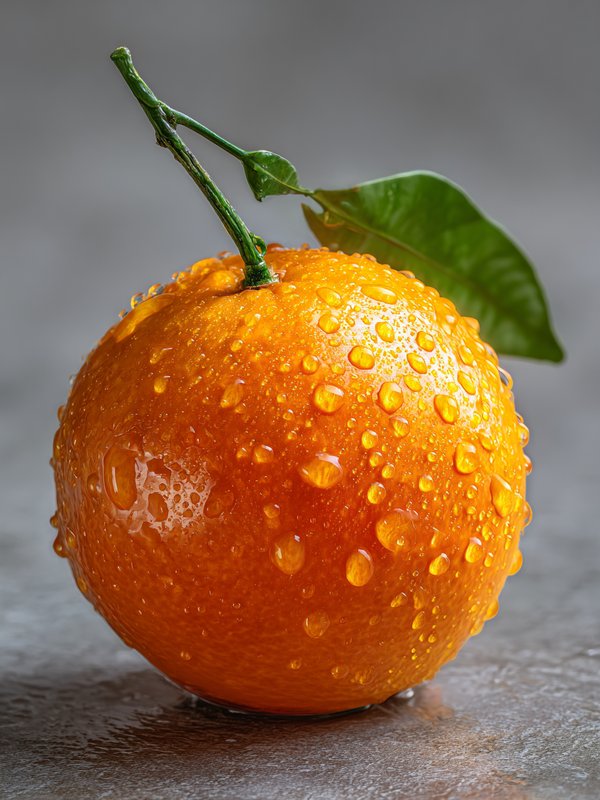
Bitter Orange is a fruit whose aroma is led by (e,e)-2,4-decadienal (fatty, deep fried) and methyl anthranilate (grape, concord). Cooks pair it most with lemon, sugar and pepper. By shared aroma its closest partners are egg, bergamot and lime.
Why each partner works
The classics
- Lemon: mentioned together in 21 recipes, with moderate shared aroma, including (e,e)-2,4-decadienal (fatty, deep fried).
- Sugar: mentioned together in 14 recipes, though they share little aroma: this one is a cooking habit more than a chemical match.
- Pepper: mentioned together in 12 recipes, though they share little aroma: this one is a cooking habit more than a chemical match.
- Butter: mentioned together in 8 recipes, with moderate shared aroma, including linalool (floral, citrus).
- Capsicum: mentioned together in 8 recipes, though they share little aroma: this one is a cooking habit more than a chemical match.
Bitter Orange pairing chart, in full
Scroll sideways to see every column →
| Partner | Shared aroma | Shared molecules | Recipes together | Rank among all pairs |
|---|---|---|---|---|
| lemon | moderate | 22 | 21 | top 8% |
| mallard duck | moderate | 13 | 8 | top 9% |
| cardamom | strong | 20 | 2 | top 12% |
| rum | low | 14 | 2 | top 12% |
| grape | low | 18 | 5 | top 14% |
| pepper | low | 17 | 12 | top 16% |
| bergamot | strong | 11 | 1 | top 16% |
| brandy | low | 4 | 4 | top 16% |
| lime | strong | 18 | 3 | top 17% |
| butter | moderate | 13 | 8 | top 18% |
| cinnamon | moderate | 14 | 3 | top 18% |
| clove | low | 12 | 6 | top 18% |
| shallot | moderate | 9 | 6 | top 19% |
| ginger | low | 18 | 3 | top 19% |
| port wine | moderate | 10 | 2 | top 19% |
| mint | moderate | 12 | 2 | top 20% |
| spirit | moderate | 6 | 2 | top 20% |
| cognac brandy | low | 7 | 2 | top 20% |
| egg | strong | 10 | 5 | top 20% |
| capsicum | low | 12 | 8 | top 21% |
Ordered by pairing score. Shared aroma: how much of their aroma chemistry overlaps (strong, moderate or low against all ingredient pairs). Rank: where the pair sits among random ingredient pairs on CompKitchen. Shared molecules counts every molecule the two have in common, not only aroma ones. Each partner links to a side-by-side comparison.
Bitter Orange flavor profile
Bitter Orange carries 27 flavor molecules in our data, 23 of them volatile enough to smell and 11 of them key food odorants, the molecules shown to drive food aroma. The aromas that lead its profile, strongest measured first: (e,e)-2,4-decadienal (fatty, deep fried), methyl anthranilate (grape, concord), acetal (cream, earthy) and octyl acetate (fruit).
Why bitter orange pairs the way it does
Bitter Orange's pairing hooks are alpha-terpineol (lilac, floral), which 9 of its 10 best partners also carry but only 17% of all ingredients do; and acetic acid (sour, vinegar), which 6 of its 10 best partners also carry but only 17% of all ingredients do. Partners that share them, like lemon, mallard duck and cardamom, share more with bitter orange than the background chemistry most foods carry. Partners that share little aroma, like sugar and pepper, pair through cooking habit instead: 14 and 12 recipes respectively.
Key aroma molecules in bitter orange
Scroll sideways to see every column →
| Molecule | Smells like | Why it matters |
|---|---|---|
| (e,e)-2,4-decadienal | fatty, deep fried, oily | In 10 of 861 ingredients; a key food odorant. Shared with lemon. |
| methyl anthranilate | grape, concord, fruity | In 41 of 861 ingredients. Shared with lemon, grape and bergamot. |
| acetal | cream, earthy, ether | In 31 of 861 ingredients; a key food odorant. Shared with rum and grape. |
| octyl acetate | fruit | In 31 of 861 ingredients. Shared with lemon, grape and bergamot. |
| dodecanal | soapy, waxy, citrus | In 74 of 861 ingredients. Shared with lemon, rum and pepper. |
| neryl acetate | fruit | In 50 of 861 ingredients. Shared with lemon, cardamom and grape. |
| 1-pentanol | fusel, balsamic, sweet | In 109 of 861 ingredients. Shared with mallard duck and pepper. |
| linalool | floral, citrus, woody | In 238 of 861 ingredients; a key food odorant. Shared with lemon, mallard duck and cardamom. |
Ordered by measured strength in bitter orange (concentration against odour threshold) where studies report it, then by how rare the molecule is across foods. Smell words are each molecule's own published description. Key food odorants are the molecules shown to drive food aroma (Dunkel et al. 2014).
Scientific name: Citrus × aurantium. Wikidata Q147096 (CC0)
All 27 molecules on record
11 of 27 are distinctive to bitter orange (in under 10% of foods). Ordered by measured impact in bitter orange, then by how distinctive the molecule is.
92 research papers on bitter orange
- Effect of Flower Storage and Harvest Times on the Dynamics of Volatile Compounds in Ylang-Ylang [Cananga odorata (Lam.) Hook.f. &Thomson] Essential Oil. · 2026
- MOX Sensors for Authenticity Assessment and Adulteration Detection in Extra Virgin Olive Oil (EVOO). · 2026
- Integrated metabolomic and transcriptomic analyses reveal aroma diversity and its regulatory networks in aromatic acidic citrus. · 2026
- Phytochemical and Antioxidant Profiling of Traditional Fruit Vinegars: A Comparative Study of Fruit Species. · 2026
- Green-Synthesized titanium dioxide Nanoparticle-Modified glass ionomer cement: in vitro and in Silico assessment of Mechanical, Physical, and safety properties performance. · 2026
Explore more: pair it · find flavor matches · discover novel pairings · get this data via the API · how we score pairs